

- Home/
- Buy Clomid Without Prescription in the United States Online
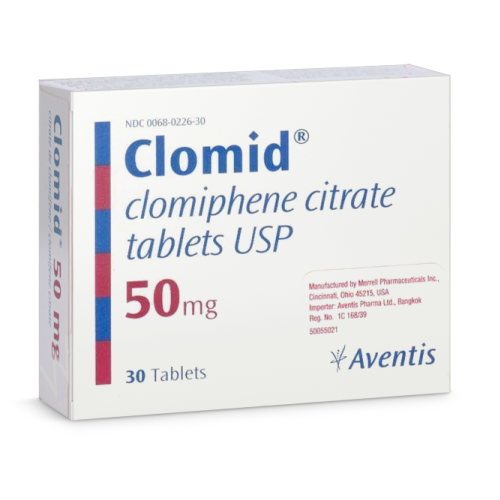
Is Clomid Available Without a Prescription in the United States?
Clomid (clomiphene citrate) is a prescription-only medication in the United States. It cannot be legally obtained without a valid prescription from a licensed healthcare provider. Dispensing Clomid without a prescription is prohibited under U.S. law.
Key Takeaways: What You Need to Know About Clomid
- Clomid is primarily used to treat female infertility caused by ovulatory dysfunction.
- A doctor’s prescription is required to obtain Clomid legally in the United States.
- Clomid is best suited for women who do not ovulate regularly and wish to become pregnant.
- Most patients can expect to see results within the first three cycles of treatment.
- Serious side effects are rare but possible; regular monitoring by a healthcare provider is essential.
- If you experience vision changes, abdominal pain, or symptoms of ovarian hyperstimulation, seek medical attention immediately.
How Does Clomid Work? Understanding Its Mechanism and Effects
Clomid (clomiphene citrate) is a selective estrogen receptor modulator (SERM). It works by competing with estrogen for binding sites in the hypothalamus, a part of the brain responsible for regulating hormone production. By blocking estrogen’s action, Clomid triggers the hypothalamus to release increased levels of gonadotropin-releasing hormone (GnRH).
This action stimulates the pituitary gland to produce more follicle-stimulating hormone (FSH) and luteinizing hormone (LH). Elevated FSH and LH levels promote the growth and maturation of ovarian follicles, leading to ovulation (the release of an egg). Clomid does not directly cause ovulation; rather, it creates hormonal conditions favorable for the ovary to ovulate.
Simplified metaphor: Think of Clomid as “removing the brakes” that estrogen applies in the brain, allowing the body’s natural “gas pedal” (FSH and LH) to move forward and trigger ovulation.
Clomid requires the ovaries to be functionally capable and is ineffective in women with primary ovarian failure or pituitary insufficiency. It does not induce ovulation in all cases, especially where underlying hormone deficiencies exist.
Why Ovulation Induction with Clomid Is Not Always Predictable: A Clinical Perspective
In my practice, I often see patients assume that Clomid will guarantee pregnancy within the first cycle. The reality is more nuanced. Many overlook that ovulation itself can be confirmed only with specific tests—not just by menstrual timing or symptoms. Some women may feel discouraged if pregnancy doesn’t occur after one or two cycles, but this doesn’t necessarily mean Clomid isn’t working; the window for conception is narrow, and multiple factors (partner fertility, timing, uterine environment) play roles. Patients rarely ask about the signs of ovulation or the need for ultrasound monitoring. They also don’t realize that the risk for multiple pregnancies, though higher than average, remains relatively low. Setting realistic expectations and emphasizing ongoing communication with your doctor are critical for a positive treatment experience.
How Should Clomid Be Taken? Dosage Regimen, Timing, and Duration
The standard starting dose of Clomid for ovulation induction in women is 50 mg once daily for five consecutive days, usually beginning on the fifth day of the menstrual cycle. If ovulation does not occur, the dose may be increased in subsequent cycles to 100 mg daily, not exceeding a maximum of 150 mg per day for five days.
- Do not exceed 150 mg total daily dose.
- Clomid tablets are scored and can generally be split, but always follow your doctor’s guidance.
- Clomid is not designed for long-term use. Most guidelines recommend limiting therapy to three to six cycles.
Peak effect (ovulation) usually occurs 5 to 10 days after the last tablet. If pregnancy is not achieved after six cycles, alternative fertility treatments should be considered.
Special populations: There are no standard dose adjustments for elderly women (as Clomid is rarely indicated post-menopause) or for those with mild kidney impairment. However, patients with liver disease must not use Clomid due to the risk of toxicity.
Should Clomid Be Taken With Food? Alcohol, Food Interactions, and Lifestyle Factors
- Clomid can be taken with or without food. Absorption is not significantly affected by meals, including fatty foods.
- Alcohol: Moderate consumption is not strictly contraindicated, but it is best avoided during treatment, as both alcohol and Clomid may cause liver strain and impair judgment regarding ovulation timing.
- Grapefruit juice: No clinically relevant interactions with clomiphene have been documented, but caution is advised as grapefruit can affect the metabolism of various medications.
- Supplements: Always inform your doctor about herbal or dietary supplements, as some may affect fertility or hormone levels.
Who Should Not Take Clomid? Absolute and Relative Contraindications
Clomid is not safe for everyone. Contraindications are divided into absolute (never use) and relative (use only with caution and close supervision):
- Absolute Contraindications
-
- Pregnancy: Do not use Clomid if pregnant. Confirm pregnancy status before starting a new cycle.
- Liver disease: Clomid is metabolized in the liver and can exacerbate hepatic insufficiency.
- Ovarian cysts (not due to polycystic ovary syndrome): Increases risk of cyst enlargement or rupture.
- Uncontrolled thyroid or adrenal disorders: Hormonal imbalances require correction before starting treatment.
- Abnormal uterine bleeding of unknown origin: Rule out malignancy or structural causes first.
- Known hypersensitivity to clomiphene or excipients: Risk of severe allergic reactions.
- Relative Contraindications
-
- Polycystic ovary syndrome (PCOS): Higher risk of ovarian hyperstimulation; requires careful monitoring.
- History of visual disturbances with Clomid: Vision changes are a rare but serious side effect and typically contraindicate further use.
- Endometriosis: May exacerbate symptoms in some cases.
- Breast, uterine, or ovarian cancer: Use is generally discouraged unless directed by a cancer specialist.
If you have had a recent liver function abnormality, a thorough assessment is needed before considering Clomid. After acute severe illnesses, full recovery and stability are required before starting therapy.
What Side Effects Are Most Common With Clomid?
Side effects of Clomid are classified as follows, using frequency categories from the World Health Organization:
- Very common (>1 in 10): Hot flashes (vasomotor symptoms), mild abdominal discomfort.
- Common (>1 in 100, <1 in 10): Breast tenderness, nausea, headache, mood changes, bloating, visual disturbances (spots, blurriness).
- Rare (>1 in 1,000, <1 in 100): Ovarian enlargement, ovarian hyperstimulation syndrome (OHSS), vomiting, dizziness.
- Very rare (<1 in 10,000): Severe ovarian hyperstimulation, thromboembolic events, severe vision loss or scotomas.
Mechanism: Most side effects result from increased estrogen and gonadotropin levels, which can overstimulate ovarian and systemic tissues. Visual disturbances are due to effects on the optic nerves or retinal blood flow.
Serious adverse effects: If you experience sudden vision loss, persistent visual symptoms, severe pelvic pain, rapid weight gain, abdominal swelling, or difficulty breathing, contact your doctor or emergency services immediately. These may be signs of OHSS or other serious complications.
Mild effects such as hot flashes and bloating typically resolve after stopping the medication.
Compatibility Checklist: Clomid and Other Medications
| Medication/Product | Can it be combined? | Consequences/Notes |
|---|---|---|
| Metformin | Yes | May be used together for PCOS; consult with your doctor. |
| Oral contraceptives | No | Suppresses ovulation; counterproductive. |
| Aspirin | Yes | No significant interaction. |
| Alcohol | Best avoided | May increase liver strain and impair ovulation tracking. |
| Nitroglycerin | Use with caution | No direct interaction, but seek medical advice. |
| Herbal fertility supplements | Caution | Unknown effects; may interact with hormone levels. |
What Are Common Patient Mistakes When Using Clomid? How to Avoid Them
- Starting Clomid without confirming ovulatory dysfunction: Some patients begin Clomid without proper diagnosis, leading to unnecessary risks or disappointment. Always undergo a fertility evaluation before starting.
- Missing or inconsistent dosing: Skipping doses or taking tablets at different times each day can reduce effectiveness. Set reminders and stick to the prescribed schedule.
- Stopping treatment prematurely: Expecting immediate results and discontinuing after one cycle is common. Most pregnancies occur within three cycles, but persistence is often necessary.
- Ignoring the need for ovulation monitoring: Failure to track ovulation (with kits or ultrasounds) can lead to missed opportunities for conception or missed side effects.
- Not informing the physician about other medications or supplements: Over-the-counter products or herbal remedies can interact unpredictably with Clomid.
- Continuing to take Clomid after pregnancy is achieved: Taking Clomid during pregnancy is unsafe. Always confirm you are not pregnant before beginning a new cycle.
Comparing Clomid With Other Fertility Medications: How Does It Stack Up?
Clomid is often compared to letrozole (Femara) and gonadotropin injections for ovulation induction. Below is a side-by-side comparison:
| Medication | Onset of Effect | Duration of Action | Side Effect Profile | Estimated Cost per Cycle (USD) | Notes |
|---|---|---|---|---|---|
| Clomid (clomiphene citrate) | 7-10 days after last dose | One ovulatory cycle | Hot flashes, visual symptoms, risk of multiple pregnancies | $25–$110 | First-line for many women |
| Letrozole (Femara) | 7-10 days after last dose | One ovulatory cycle | Less hot flashes, more headaches, fatigue | $30–$130 | Preferred in PCOS, some studies show higher pregnancy rates |
| Gonadotropin injections (FSH, hMG) | 3-7 days after start | Controlled by dosing regimen | Higher risk of OHSS, multiple births | $1,000–$3,000 | Used when oral agents fail |
Bottom line: Clomid is generally more affordable and less invasive than injectable treatments, but may be less effective than letrozole for certain conditions. Individual response varies.
Technical Table: Clomid at a Glance
| Parameter | Value |
|---|---|
| Active ingredient | Clomiphene citrate |
| Available dosage strengths | 50 mg (most common in U.S.); 100 mg generics available |
| Administration | Oral tablet, once daily for 5 days per cycle |
| Peak plasma concentration | 5–7 hours after oral dose |
| Half-life | 5–7 days |
| Metabolism | Liver (hepatic metabolism) |
| Elimination | Primarily fecal |
| Storage | Room temperature (20–25°C/68–77°F), dry place |
Pharmacokinetics: How Is Clomid Processed in the Body?
After oral intake, Clomid is absorbed from the gastrointestinal tract, reaching peak plasma concentrations within 5–7 hours. The drug is extensively metabolized by the liver. Its half-life is particularly long, lasting 5 to 7 days, and metabolites can remain detectable for up to a month in some cases. Clomid and its metabolites are primarily excreted through the feces, with minimal renal elimination. Because of hepatic metabolism, women with liver disease should not use this medication. The extended half-life explains why side effects or residual effects can persist beyond the active dosing period.
Are There Special Considerations for Certain Patient Groups?
- Polycystic Ovary Syndrome (PCOS): These patients may be more sensitive to Clomid and have a higher risk of ovarian hyperstimulation; close monitoring is required.
- Women with liver impairment: Clomid should not be used.
- Obese patients: May require higher doses or alternative therapies if initial cycles are unsuccessful.
- Postmenopausal women: Clomid is not indicated and should not be used for fertility.
- Male infertility: Off-label use exists, but safety and efficacy are less established and should be discussed with a specialist.
- Ability to drive: Visual side effects may impair driving. If you notice changes in vision, do not drive or operate machinery.
- Fertility and family planning: Clomid is designed to induce ovulation for women seeking pregnancy; its use is not appropriate for contraception or outside of fertility management.
Step-by-Step: How to Obtain Clomid Legitimately in the United States
- Consultation: Schedule an appointment with a qualified obstetrician-gynecologist (OB/GYN), reproductive endocrinologist, or fertility specialist. Telemedicine services are also widely available.
- Evaluation: The physician will review your medical history, conduct a physical exam, and order lab tests (hormone levels, ovulation tracking) to confirm that Clomid is appropriate.
- Prescription: If you are a suitable candidate, your doctor will issue a prescription for Clomid. Telehealth providers may send prescriptions directly to your preferred pharmacy.
- Pharmacy Fulfillment: Present your prescription at a licensed U.S. pharmacy or use a verified online/mail-order pharmacy. Pharmacists may provide additional counseling.
- Monitoring: Follow up with your physician to monitor ovulation (via ultrasound, ovulation predictor kits, or blood tests) and response to treatment.
How Can You Identify Legitimate Online Pharmacies in the United States?
- Look for VIPPS accreditation: The National Association of Boards of Pharmacy (NABP) operates the VIPPS (Verified Internet Pharmacy Practice Sites) program. Only use online pharmacies listed on the NABP website (https://nabp.pharmacy).
- Require a valid prescription: U.S.-licensed online pharmacies always require a prescription. If a website offers Clomid without one, it is illegal and unsafe.
- Check for U.S. address and contact information: Legitimate pharmacies provide a physical location and phone number.
- Beware of unrealistically low prices or bulk offers: These are common signs of counterfeit or substandard products.
- Be cautious with non-U.S. websites: Importing prescription medicines from abroad is illegal and carries risks of counterfeit or contaminated products.
How to Spot Counterfeit Clomid and Understand the Difference With Generics
Original Clomid: Produced by Sanofi-Aventis, comes in sealed, branded blister packs. Markings include clear labeling, batch number, expiration date, and embossed tablet identifiers. Boxes include a package insert, and newer packaging may display QR codes or holographic seals for authenticity (varies by region).
- Tablet description: White, round, scored, with imprint (varies with manufacturer).
- Packaging: Sealed, no spelling errors, clear font. U.S.-market boxes should have FDA-approved labeling in English.
Generics: Multiple FDA-approved generic versions of clomiphene citrate are available in the U.S. Generics are therapeutically equivalent to the original, but inactive ingredients (excipients) may vary. Rarely, these can cause allergic reactions; check the label if you have known allergies.
Unusually low prices, missing or foreign-language inserts, or altered packaging are strong warning signs of counterfeit products. If in doubt, consult your pharmacist or healthcare provider before use.
Quality Assurance: What Should Genuine Clomid Look Like?
- White, round, scored tablet with manufacturer imprint
- Sealed blister pack inside a box with batch/expiration date
- U.S.-labeled packaging (English language, FDA approval)
- Package insert included
- Authenticity hologram/QR code if present
Overdose Action Plan: What To Do If You Take Too Much Clomid
- Stop taking Clomid immediately.
- Call Poison Control (1-800-222-1222) or 911 for emergency assistance in the United States.
- Report the exact dose and time taken to medical professionals.
- Bring the medication packaging if going to the emergency department.
- Do not attempt to self-treat or wait for symptoms to appear.
Symptoms of overdose may include nausea, vomiting, visual changes, abdominal pain, or ovarian enlargement. Prompt medical evaluation is essential.
Psychological Support: You Are Not Alone in Facing Fertility Challenges
Infertility is a common and often emotionally challenging condition. Many women and couples experience distress, frustration, or isolation when facing difficulties conceiving. Remember, seeking support from your partner, family, or a mental health professional can make the journey more manageable, and you are not alone.
Myth vs Reality: Clomid Use in Fertility Therapy
- Myth: Clomid guarantees pregnancy within the first cycle.
- Reality: While many women ovulate on Clomid, only about 10–15% will conceive per treatment cycle. Multiple cycles may be needed, and not all causes of infertility are addressed by Clomid.
- Myth: Clomid can be used long-term for any fertility issue.
- Reality: Clomid is usually limited to 3–6 cycles; prolonged use is not recommended due to diminishing returns and potential risks.
Questions Frequently Asked to Physicians About Clomid Treatment
- How do I know if Clomid is working for me?
- Ovulation can be confirmed with at-home ovulation predictor kits, mid-cycle ultrasound, or blood hormone tests. Menstrual bleeding 14–16 days after the last dose often suggests ovulation occurred. However, a regular period does not guarantee ovulation, so clinical monitoring is recommended for accurate assessment.
- What should I do if I miss a dose during my Clomid cycle?
- If you miss a dose, take it as soon as you remember, unless it’s almost time for the next scheduled dose. Do not double up. Missing a single dose may decrease effectiveness for that cycle but is unlikely to cause harm. Notify your physician for guidance.
- How is progress monitored during Clomid therapy?
- Progress is typically tracked through ovulation predictor kits, mid-cycle transvaginal ultrasound to assess follicle development, and bloodwork to measure hormone levels. Some physicians may recommend timed intercourse or intrauterine insemination based on these findings.
- Can I use Clomid more than once if I don’t get pregnant?
- Yes, Clomid can be used for up to six cycles in most cases. If pregnancy is not achieved after six cycles, further evaluation and alternative therapies are usually recommended.
- Will Clomid increase my chance of having twins or triplets?
- Clomid slightly increases the risk of twins (about 8–10%) and rarely triplets or higher-order multiples (<1%). Most pregnancies will still be singletons.
- Are there long-term health risks associated with Clomid use?
- Short-term use is considered safe for most. Prolonged or repeated cycles may increase the risk of ovarian cysts or, according to some studies, possibly ovarian tumors, though evidence is limited. Your doctor will weigh risks and benefits before each cycle.
- How soon after stopping Clomid can I resume other fertility treatments?
- Transition to alternative therapies (such as letrozole or gonadotropins) can typically occur in the cycle following Clomid, depending on your response and medical evaluation.
doctor’s Clinical Assessment: When Clomid Is the Right Choice—and When It Isn’t
In my clinical judgment, Clomid is most effective for women under age 35 with documented ovulatory dysfunction, regular or mildly irregular cycles, and normal uterine anatomy. It is often my first choice for those with polycystic ovary syndrome (PCOS) who do not ovulate on their own, provided that other causes of infertility have been excluded (such as blocked fallopian tubes or severe male factor infertility). Women with unexplained infertility may also benefit from a trial of Clomid, though results are more variable.
Clomid is less suitable for women with diminished ovarian reserve, significant uterine abnormalities, or advanced female age (>40), where success rates are reduced. It is also not effective for women with primary ovarian failure or severe hypothalamic amenorrhea, where the underlying issue is not responsive to clomiphene’s mechanism of action. In these cases, alternative ovulation induction agents or assisted reproductive technologies may be preferable. I always recommend reassessment if two to three cycles fail to result in ovulation or conception, as further rounds are unlikely to succeed and may carry unnecessary risks.
Ultimately, treatment choice must be individualized, balancing the likelihood of success, safety, emotional impact, and cost.
Frequently Asked Questions About Clomid in the United States
- Is Clomid available over the counter in the United States?
- No. Clomid is a prescription-only medication and cannot be legally purchased without a doctor’s prescription.
- How long does it usually take for Clomid to work?
- Most women ovulate within 5–10 days after completing the five-day treatment course. If ovulation does not occur in the first cycle, dose adjustments or up to six cycles may be considered.
- What is the typical success rate for Clomid in treating infertility?
- About 70-85% of women will ovulate with Clomid, and approximately 10–15% will become pregnant per treatment cycle. Most pregnancies occur within the first three cycles.
- Can I buy Clomid online in the United States?
- You can obtain Clomid from verified U.S.-based online pharmacies, but a valid prescription from a licensed healthcare provider is always required. Avoid websites offering Clomid without a prescription.
- What are the risks of taking Clomid?
- Common risks include hot flashes, mood changes, and ovarian enlargement. Rare but serious risks include ovarian hyperstimulation syndrome, vision changes, and multiple pregnancies. Always discuss side effects with your doctor.
- Are there more affordable alternatives to Clomid?
- Letrozole (Femara) is a similarly priced oral alternative; injectable gonadotropins are much more expensive. Generic clomiphene citrate is available and usually less expensive than the branded product.
- Can men use Clomid for fertility?
- Clomid is sometimes prescribed off-label to men for certain types of male infertility, but this is less common and should be managed by a specialist.
- Is Clomid safe to use with other fertility medications?
- Clomid can be used with metformin (especially in PCOS), but not with oral contraceptives. Always inform your doctor about all medications and supplements you are taking.
- What happens if I become pregnant while taking Clomid?
- Stop taking Clomid immediately and notify your doctor. Clomid should not be used during pregnancy as it may harm the developing fetus.
- How much does Clomid cost in the United States?
- Clomid typically ranges from $25–$110 per treatment cycle, depending on pharmacy, location, and insurance coverage. Generic versions are usually less expensive.
References
- U.S. Food and Drug Administration (FDA), Clomiphene Citrate prescribing information, https://www.fda.gov
- National Institutes of Health, MedlinePlus: Clomiphene, https://medlineplus.gov/druginfo/meds/a682704.html
- American Society for Reproductive Medicine (ASRM) Practice Committee, “Use of Clomiphene Citrate in Ovulation Induction,” Fertility and Sterility, 2024, https://www.asrm.org
- Centers for Disease Control and Prevention (CDC), Infertility FAQs, https://www.cdc.gov/reproductivehealth/infertility/index.htm
- National Association of Boards of Pharmacy (NABP), Pharmacy Accreditation, https://nabp.pharmacy
- Mayo Clinic, Clomiphene (Oral Route) Side Effects, https://www.mayoclinic.org/drugs-supplements/clomiphene-oral-route/side-effects/drg-20066841
- Legro RS, Brzyski RG, et al., “Letrozole Versus Clomiphene for Infertility in the Polycystic Ovary Syndrome,” New England Journal of Medicine, 2024, https://pubmed.ncbi.nlm.nih.gov
- Medscape, Clomiphene Citrate: Drug Information, https://reference.medscape.com/drug/clomid-serophene-clomiphene-342999