

- Home/
- Buy Lasix Online in the United States – Fast Ordering and Delivery
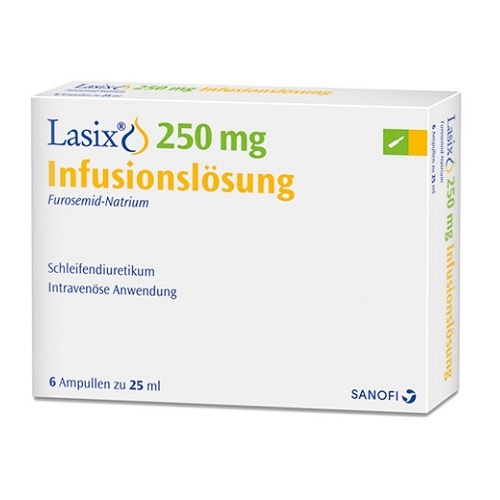
Can Lasix (Furosemide) Be Obtained Without a Prescription in the United States?
No, Lasix (furosemide) is a prescription-only medication in the United States. It cannot be legally obtained without a valid prescription from a licensed healthcare provider. Over-the-counter sales are not permitted, and using Lasix without medical supervision may pose significant health risks.
Key Takeaways: What You Need to Know About Lasix in the United States
- Lasix (furosemide) is primarily used to treat fluid retention (edema) and certain cases of high blood pressure.
- A prescription from a licensed healthcare provider is required in the U.S.—it is never available over-the-counter.
- Effects are often noticeable within one hour of oral intake, but duration and intensity vary by individual.
- Risk of dehydration and electrolyte imbalance is the most important safety concern. This can be dangerous if not monitored.
- Lasix addresses symptoms, not the underlying cause of edema. Ongoing medical evaluation is necessary.
- Consult your doctor immediately if you experience unusual weakness, muscle cramps, or confusion while taking Lasix.
How Does Lasix Work? The Science Behind Its Effects on the Body
Lasix contains furosemide, a loop diuretic that specifically targets the Na-K-2Cl symporter in the thick ascending limb of the loop of Henle in the kidney. By blocking this transporter, Lasix inhibits the reabsorption of sodium and chloride, leading to increased excretion of water, sodium, chloride, potassium, calcium, and magnesium in urine. This process decreases fluid buildup in tissues (edema) and reduces blood volume, which can lower blood pressure.
In simpler terms, imagine your kidneys as a sponge that filters and reclaims water and salts from your blood. Lasix “squeezes” this sponge, making it let go of more water and salt than usual, so your body eliminates excess fluid via urine.
Lasix does not require special triggers to be effective; it works directly when kidney function allows for filtration, provided the medication reaches therapeutic plasma concentrations.
Patient Expectations vs. Clinical Reality: Insights from Clinical Practice
Why “Water Pills” Aren’t Always a Quick Fix: Common Misunderstandings about Lasix Use
As a physician, I often see patients expecting instant, dramatic weight loss or complete resolution of swelling after the first dose of Lasix. The reality is more nuanced: while urine output can increase rapidly, the amount of fluid removed is dictated by your body’s needs and underlying health conditions. Some patients are disappointed if their symptoms don’t resolve as quickly as anticipated, or if they need ongoing monitoring for electrolyte disturbances. Additionally, few patients realize how important it is to monitor their blood potassium and sodium, or to report even mild symptoms early. If you’re starting Lasix, ask your doctor how you’ll know it’s working, and what side effects you should watch for. Understanding the balance between benefit and risk is crucial for safe and effective treatment.
What Is the Typical Dosage Regimen for Lasix? How and When Should It Be Taken?
Lasix dosing is highly individualized and depends on the condition being treated. For adults with edema, the usual starting dose is 20–40 mg orally once daily. The dose may be adjusted in increments of 20 mg every 6–8 hours until the desired effect is achieved. For hypertension, lower doses may be sufficient. In severe cases, doses up to 600 mg per day may be used, but the maximum recommended daily dose should never exceed 600 mg.
- Peak effect after oral administration typically occurs within 1–2 hours.
- Duration of action is usually about 6–8 hours.
- Elderly or those with kidney/liver impairment may require lower starting doses and slower titration.
- Splitting tablets: Lasix scored tablets can be split; extended-release or special formulations should not be split unless specified by your pharmacist.
Always follow your doctor’s instructions exactly. Do not change your dose or frequency without consulting your provider.
Source: FDA, Mayo Clinic
How Does Food, Alcohol, and Daily Habits Affect Lasix Absorption and Effectiveness?
Food may delay but does not prevent Lasix absorption. Taking Lasix on an empty stomach leads to a faster onset but may not be practical for everyone. High-fat meals can delay absorption by 1-2 hours, but overall effectiveness remains similar.
- Alcohol: Combining Lasix with alcohol increases the risk of dehydration and low blood pressure. It’s best avoided or limited to very small amounts (<1 standard drink, and only with physician approval).
- Grapefruit juice does not significantly affect Lasix metabolism, but always check with your provider about food interactions if taking other medications.
- Water and potassium-rich foods (bananas, oranges) may help balance electrolyte loss, but potassium supplements should not be started without medical advice.
In short: Take Lasix consistently with or without food as directed by your doctor, and avoid combining it with alcohol or starting new supplements without medical consultation.
Who Should Not Use Lasix? Absolute and Relative Contraindications Explained
Absolute Contraindications (Never Use):
- Severe electrolyte depletion (e.g., dangerously low potassium or sodium).
- Anuria (no urine production due to kidney failure).
- Known allergy to furosemide or sulfonamide-derived drugs.
- Hepatic coma or pre-coma.
- Severe liver disease (risk of worsening encephalopathy).
- Severe low blood pressure (hypotension).
- Dehydration or significant fluid loss.
- Gout or elevated uric acid (Lasix can worsen these).
- Pregnancy: Only if benefits outweigh risks; consult your doctor.
- Recent heart attack (<2 weeks): Use only under specialist supervision.
Important: Lasix may also be contraindicated or require dose adjustment with certain medications (see compatibility checklist below) and in chronic kidney disease. Clinical assessment is critical.
What Side Effects Are Most Common With Lasix? What Should You Watch For?
Lasix is associated with both common and rare side effects, some of which can be serious if not monitored.
- Very Common (>1/10): Increased urination, electrolyte disturbances (especially low potassium, sodium, magnesium).
- Common (1/100–1/10): Low blood pressure (dizziness, fainting), dehydration, muscle cramps, weakness, increased blood sugar, increased uric acid.
- Rare (1/10,000–1/1,000): Hearing disturbances (usually with high doses), pancreatitis, skin rash, photosensitivity, acute kidney injury.
- Very Rare (<1/10,000): Severe allergic reactions (anaphylaxis), severe liver dysfunction, blood cell count changes (anemia, thrombocytopenia).
What to do if side effects occur:
Stop medication immediately and seek emergency care if you experience chest pain, severe dizziness, severe weakness, difficulty breathing, or swelling of the face/lips/tongue. For milder symptoms (muscle cramps, thirst, or mild dizziness), contact your provider promptly for evaluation and possible laboratory testing.
Source: FDA, Mayo Clinic
Common Pitfalls: Mistakes Patients Make When Using Lasix and How to Avoid Them
- Taking Lasix late in the day, resulting in nighttime urination (nocturia). Take Lasix in the morning unless otherwise instructed to avoid sleep disruption.
- Not monitoring weight daily. Sudden changes can signal fluid overload or excessive fluid loss. Weigh yourself at the same time each day, ideally after waking and before eating.
- Stopping Lasix abruptly without consulting a doctor. Rapid fluid retention or blood pressure spikes may occur. Always discuss any changes in therapy with your provider.
- Not following up on laboratory tests. Electrolyte and kidney function monitoring is essential, especially during dose changes or illness.
- Ignoring symptoms of dehydration (dry mouth, confusion, muscle cramps). Report symptoms promptly, as early intervention can prevent complications.
- Starting new medications or supplements without informing your provider. Drug interactions can be serious; always check compatibility.
Lasix vs. Other Diuretics: How Does It Compare in the United States?
| Drug | Onset Speed (oral) | Duration of Action | Major Side Effects | Estimated Price (per 40mg tab, USD, 2026) | Notes |
|---|---|---|---|---|---|
| Lasix (Furosemide) | 30–60 min | 6–8 hrs | Electrolyte loss, dehydration, rare hearing loss | $0.15–$1.50 (generic) | Most widely used loop diuretic |
| Bumex (Bumetanide) | 30–60 min | 4–6 hrs | Similar to Lasix, higher potency per mg | $0.30–$2.00 (generic) | Preferred in some resistant edema |
| Demadex (Torsemide) | 60 min | 12–16 hrs | Similar to Lasix, less hypokalemia | $0.80–$2.50 (generic) | Longer-acting, more predictable absorption |
| Hydrochlorothiazide | 2 hrs | 6–12 hrs | Electrolyte loss, increased blood sugar | $0.10–$1.00 (generic) | Thiazide diuretic, less potent; used for hypertension |
Note: Actual prices vary by pharmacy, insurance plan, and location. Brand-name versions may cost significantly more.
Lasix: Technical Details at a Glance
| Active Ingredient | Furosemide |
| Available Formulations | Tablets (20mg, 40mg, 80mg), Oral Solution, Injectable |
| Administration Route | Oral, Intravenous, Intramuscular |
| Storage | Room temperature (68–77°F/20–25°C), protect from light |
| Metabolism | Primarily in the kidneys; minimal hepatic metabolism |
| Half-life (T½) | ~1–2 hours (can be prolonged in kidney disease) |
| Prescription Status (U.S.) | Prescription only |
Lasix Compatibility Checklist: Can It Be Combined with Other Medications?
| Medication/Product | Is It Safe to Combine? | Potential Consequences |
|---|---|---|
| Aspirin | Yes, with monitoring | Increased risk of kidney stress; monitor kidney function |
| ACE inhibitors (e.g., lisinopril) | Yes, with monitoring | Possible increased risk of low blood pressure and kidney effects |
| NSAIDs (ibuprofen, naproxen) | Use with caution | May reduce Lasix effectiveness and worsen kidney function |
| Potassium supplements | Sometimes (doctor supervision) | Helps prevent low potassium; risk of overcorrection |
| Digoxin | Use with caution | Low potassium can increase risk of digoxin toxicity |
| Corticosteroids | Possible, with monitoring | Higher risk of electrolyte disturbances |
| Alcohol | Best avoided | Increased dehydration and low blood pressure |
| Other diuretics | Only under specialist care | Risk of severe dehydration and electrolyte imbalance |
How Is Lasix Metabolized and Eliminated? Pharmacokinetics in Simple Terms
Lasix is rapidly absorbed in the digestive tract when taken orally. Around 60–70% of the dose is bioavailable. Plasma concentrations peak within 1–2 hours after ingestion. Furosemide is minimally metabolized by the liver and is primarily excreted unchanged by the kidneys into the urine.
The half-life is approximately 1–2 hours in healthy adults, but may be prolonged in patients with kidney or liver impairment, leading to a longer duration of action and increased risk of side effects. Lasix does not accumulate in the body if kidney function is normal, but can build up with repeated doses in kidney disease.
Special Populations: Who Needs Extra Care with Lasix?
Elderly: More susceptible to dehydration and rapid electrolyte shifts. Dosing should be cautious and often requires more frequent lab monitoring.
Pediatric: Dosing is weight-based and must be carefully calculated by a pediatrician.
Chronic Kidney Disease: Lower effectiveness and higher risk of toxicity. Dose adjustments and specialist oversight are essential.
Pregnancy and Breastfeeding: Lasix is generally avoided unless absolutely necessary; it can cross the placenta and appear in breast milk.
Driving and Machinery: Lasix may cause dizziness or lightheadedness. Patients should avoid driving or operating heavy machinery until they know how Lasix affects them.
Fertility: No convincing evidence of an effect on fertility, but severe electrolyte disturbances may indirectly impact reproductive health.
Step-by-Step: How to Obtain Lasix Safely in the United States
- Schedule a medical appointment with a physician, either in person or via a licensed telemedicine service.
- Undergo a clinical assessment, including a discussion of your symptoms and relevant medical history. Lab tests (electrolytes, kidney function) may be ordered.
- If Lasix is appropriate, your doctor will issue a valid prescription. This may be electronic (e-prescription) or paper, depending on your provider and pharmacy.
- Take the prescription to a licensed pharmacy. Many chain and independent pharmacies accept e-prescriptions and offer in-person or mail delivery options.
- Pharmacist will provide counseling on dosing, side effects, and proper use. If you have questions, ask for clarification.
- Schedule follow-up appointments and lab tests as recommended. Never adjust your dose or stop medication without consulting your provider.
Doctor–Patient Q&A: Practical Clinical Insights About Lasix Treatment
- How will I know if Lasix is working for my edema or blood pressure?
- Most patients notice increased urination and gradual reduction in swelling or weight. For hypertension, your doctor will track blood pressure readings. The key sign of effectiveness is stable or improved symptoms, but improvement can be gradual, especially in chronic conditions.
- How often do I need lab tests while on Lasix?
- Typically, your doctor will check your electrolytes and kidney function within the first week of therapy and then periodically (every 3–6 months, or more frequently if your dose changes or you feel unwell).
- What should I do if I feel dizzy or start having muscle cramps?
- Contact your doctor immediately—these are early warning signs of dehydration or low electrolytes, which may require dose adjustment or additional supplementation.
- Is it safe to use Lasix for weight loss or body sculpting?
- No. Using Lasix for weight loss outside of a medical indication is unsafe and strongly discouraged. It can lead to dangerous fluid shifts and electrolyte imbalances without providing lasting benefit.
- Can I take Lasix at the same time as my other blood pressure medications?
- Often yes, but your physician should review your entire medication list to avoid interactions. Some combinations require dose adjustments or monitoring.
- What happens if I miss a dose?
- If you miss a dose, take it as soon as you remember unless it’s late in the day (to avoid nighttime urination). If it’s almost time for your next dose, skip the missed one. Do not double up doses.
- How long will I need to use Lasix?
- This depends on the underlying condition. Some need short courses, while others require long-term therapy with regular monitoring and possible dose adjustments.
Pharmacy Safety in the United States: How to Identify Legitimate Online Pharmacies for Lasix
To safely obtain Lasix online in the United States, only use pharmacies verified by the National Association of Boards of Pharmacy (NABP) or those displaying the “.pharmacy” domain seal. Licensed U.S. online pharmacies require a valid prescription and must provide pharmacist access for questions.
- Check for the NABP or LegitScript accreditation. Only accredited pharmacies are regularly inspected and compliant with U.S. law.
- Be wary of sites offering Lasix without a prescription, prices far below average, or those lacking a U.S. physical address and licensed pharmacist.
- Never purchase from sites advertising “no prescription needed” or shipping from outside the U.S. These are usually unregulated and pose real risks of counterfeit or substandard medications.
- Ask your doctor or local pharmacist for recommendations on trusted online pharmacy services if needed.
More info: NABP
Spotting Counterfeit Lasix: Practical Tips for U.S. Consumers
Counterfeit and “grey market” Lasix is a real concern, especially when purchased from unlicensed sources.
- Genuine Lasix tablets (U.S.): White, round tablets with a scored line and imprint code (“Lasix 40” or manufacturer symbol), supplied in properly labeled blister packs or bottles.
- Packaging: U.S. products feature distinct labeling, expiration dates, lot numbers, and often a barcode or QR code for verification. The font is consistent and clear.
- Unusually low prices are a red flag. If an offer is “too good to be true,” it often is.
- Generics: Legitimate U.S.-approved generics are regulated by the FDA and must meet strict quality standards. They may look different (color, shape, imprint), but will always be labeled with the manufacturer’s name and drug information.
What are generics? Generics contain the same active ingredient (furosemide) and must prove bioequivalence to the original Lasix. The main differences are often color, size, shape, and inactive ingredients (excipients), which rarely affect efficacy but can be relevant if you have allergies.
Bottom line: U.S.-approved generics are a safe, cost-effective alternative to brand-name Lasix. Avoid any medication lacking clear labeling, proper packaging, or FDA approval.
Lasix and Emotional Wellbeing: It’s Normal to Need Support
Living with chronic fluid retention or heart failure can be stressful and isolating. These conditions are common and manageable with the right approach. If you’re struggling, consider discussing your concerns with a counselor, support group, or qualified professional. Regular communication with your healthcare provider can make a significant difference.
Myth: Lasix will eliminate all swelling instantly.
Reality: Response depends on underlying health, dose, and adherence. Ongoing monitoring and realistic expectations are key to successful therapy.
What Should I Do in Case of Lasix Overdose?
- Stop taking Lasix immediately.
- Call emergency services (911) or go to the nearest emergency department.
- Provide information about the amount taken, time of ingestion, and any symptoms you are experiencing.
- Bring the medication bottle or packaging with you if possible.
- Do not try to treat overdose at home. Symptoms such as severe weakness, confusion, fainting, or inability to urinate require urgent medical evaluation.
Source: Poison Control
Quality Check: How Should Lasix Look in the United States?
- Tablet color: White or off-white, round; may be scored for splitting.
- Imprint: Imprinted with “Lasix” and dosage (e.g., “Lasix 40”) or manufacturer-specific code.
- Packaging: U.S. Lasix is dispensed in a labeled bottle or blister pack with a clear expiration date, lot number, and (increasingly) a QR code for verification.
- Labeling: All information in English, including strength, instructions, and pharmacy dispensing label.
If in doubt, check the manufacturer’s official website or consult your pharmacist for product images and verification methods.
Clinical Assessment by doctor: When Lasix Is Most Appropriate and When It Is Not
As a practicing physician, I consider Lasix (furosemide) especially beneficial for patients with volume overload due to heart failure, chronic kidney disease with preserved urine output, or significant liver cirrhosis with edema. It remains the loop diuretic of choice in acute situations requiring rapid fluid removal, such as acute pulmonary edema. On the other hand, in patients with severe kidney failure who do not produce urine, or those with a history of severe electrolyte disturbances, the benefit-risk ratio shifts, and alternatives or specialist input are necessary. I am cautious about prolonged high-dose therapy in frail elderly patients, and I often prefer torsemide or bumetanide in cases of poor gastrointestinal absorption or resistance. Ultimately, the decision to use Lasix hinges on careful clinical monitoring and individualized risk assessment, rather than a one-size-fits-all approach.
References
- U.S. Food & Drug Administration. Lasix (furosemide) Prescribing Information. Accessed 2026. https://www.fda.gov
- Mayo Clinic. Furosemide (Oral Route) – Description and Brand Names. Accessed 2026. https://www.mayoclinic.org
- National Institutes of Health. DailyMed: Furosemide. Accessed 2026. https://dailymed.nlm.nih.gov
- PubMed. Recent clinical studies on furosemide. Accessed 2026. https://pubmed.ncbi.nlm.nih.gov/
- National Association of Boards of Pharmacy. Find a Verified Pharmacy. Accessed 2026. https://nabp.pharmacy
Frequently Asked Questions About Lasix in the United States
- Is Lasix effective for all types of swelling?
- Lasix is effective for fluid retention caused by heart failure, liver disease, and certain kidney conditions. It is not effective for swelling due to infections, trauma, or conditions unrelated to fluid overload.
- How quickly does Lasix work?
- Lasix typically begins to increase urine output within 30–60 minutes of oral administration, with peak effect at 1–2 hours. The duration of action is usually 6–8 hours.
- What is the usual dose for adults?
- The starting dose for adults with edema is usually 20–40 mg once daily. Dosage may be increased based on response and tolerability, always under medical supervision.
- Do I need a prescription for Lasix in the United States?
- Yes, a valid prescription from a licensed healthcare provider is required. It is not available over-the-counter.
- What are the main side effects I should watch for?
- Monitor for increased urination, dehydration, low potassium, dizziness, muscle cramps, or signs of allergic reaction. These can be serious and should be reported promptly to your provider.
- Can I buy Lasix online safely?
- Yes, but only from licensed U.S. pharmacies that require a prescription. Check for NABP or LegitScript accreditation and avoid any site offering Lasix without a prescription.
- How much does Lasix cost?
- Generic furosemide tablets typically cost between $0.15 and $1.50 per 40mg tablet in the U.S., but prices vary by pharmacy and insurance coverage.
- Can I take Lasix with other medications?
- Some medications can interact with Lasix. Always provide your doctor and pharmacist with a complete list of your medications to avoid dangerous interactions.
- How long do I need to use Lasix?
- This depends on your underlying condition. Some need Lasix short-term, while others require long-term treatment under close supervision.
- Are generics as safe and effective as brand-name Lasix?
- Yes. FDA-approved generics contain the same active ingredient and must meet the same safety and effectiveness standards as the original brand.