

- Home/
- Buy Seroquel Without Prescription in the United States Online
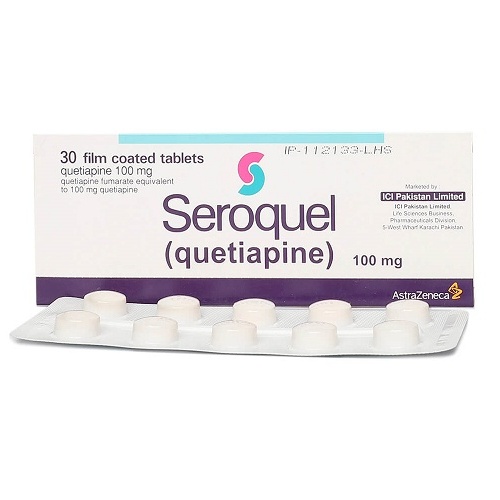
| Brand Name | Seroquel |
|---|---|
| Main ingredient | Quetiapine |
| Primary use | Treatment of certain mental health disorders (schizophrenia, bipolar disorder, adjunct in major depressive disorder) |
| Strengths available | 25 mg, 50 mg, 100 mg, 200 mg, 300 mg, 400 mg tablets |
| How quickly it takes effect | Initial calming within 1–2 hours; full symptom improvement may take days to weeks |
| Duration in the body | Approx. 6–12 hours for regular tablets; up to 24 hours for extended-release |
| How it is usually taken | Daily, once or twice depending on the form |
| Requires prescription? | Yes, in United States (FDA-regulated) |
| Estimated retail price in United States | $10–$250/month (varies by dose, brand, insurance, and pharmacy) |
Seroquel for Mental Health: Your Decision Guide — United States
Seroquel is a prescription medicine containing quetiapine, used to treat several psychiatric conditions, including schizophrenia, bipolar disorder, and as an add-on for depression. Legally available in the United States, it can only be obtained from licensed pharmacies with a valid prescription. Understanding how Seroquel fits into mental health care, its suitability, and what to expect is essential before making a decision.
You Are Not Alone: The Reality of Mental Health Conditions in the United States
Mental health conditions affect millions of people across the country. According to the National Alliance on Mental Illness (NAMI), as of 2023, nearly 1 in 5 adults in the United States experience mental illness each year. Schizophrenia alone impacts about 1.5 million Americans, and bipolar disorder affects nearly 2.8% of adults annually. Persistent depression is also common, with major depressive episodes reported in approximately 8% of adults each year. These numbers reflect that mental health challenges are widespread and not a sign of personal failure. Most importantly, a range of effective treatments—pharmaceutical and psychological—are available, making recovery and improvement very possible for most people.
How Seroquel Works: From Brain Chemistry to Everyday Relief
Seroquel (quetiapine) acts primarily on the brain’s neurotransmitter systems, specifically blocking certain receptors for dopamine and serotonin. Dopamine and serotonin are chemicals involved in mood regulation, thinking, and perception. In conditions like schizophrenia or bipolar disorder, these chemical signals can become unbalanced, leading to symptoms such as hallucinations, delusions, severe mood swings, or persistent depression.
By adjusting the activity of these brain chemicals, Seroquel helps reduce psychotic symptoms (like hearing voices), stabilize mood swings in bipolar disorder, and, when used with other medications, alleviate persistent depressive symptoms. Most people notice some calming effects within 1–2 hours after taking a dose, but improvements in core symptoms typically develop over several days to weeks. In practical terms, this may mean fewer mood swings, less agitation, clearer thinking, and improved sleep. The full effect is usually seen with consistent daily use at the prescribed dose.
Is Seroquel Right for You? Scenarios to Guide Your Choice
| Your Situation | Seroquel Fit | Why or Why Not |
|---|---|---|
| You have been diagnosed with schizophrenia or bipolar disorder and standard treatments have not provided enough relief | Often appropriate | Seroquel is FDA-approved for both conditions and is commonly prescribed when symptoms persist with first-line medications |
| You experience major depressive disorder and other antidepressants alone have not worked | Potential option (as add-on therapy) | Seroquel can be prescribed alongside antidepressants to strengthen their effect, especially if insomnia or anxiety are also present |
| You have only mild anxiety or sleep difficulties without a diagnosed mood or psychotic disorder | Not recommended | Seroquel is not intended for routine sleep or anxiety problems due to risks and better alternatives; using it solely for these reasons is discouraged |
| You have a history of heart rhythm disturbances or uncontrolled diabetes | Use with caution or avoid | Seroquel can worsen these conditions; medical supervision and alternative treatments may be more appropriate |
Matching the medication to your specific diagnosis and health history is vital. Seroquel is not a first-choice medication for general stress or sleep issues, and it may not suit those with certain medical conditions unless carefully monitored by a mental health professional.
Using Seroquel: What to Expect and How to Manage Everyday Situations
- When to take: Take at the same time each day—often in the evening, as drowsiness is a common effect. Extended-release tablets are usually taken once daily, while immediate-release may be split into two doses.
- With or without food: Seroquel can be taken with or without food, but extended-release forms should be taken without a heavy meal for best absorption.
- Missed dose: If you forget a dose, take it as soon as you remember—unless it’s close to the next scheduled dose. In that case, skip the missed one. Do not double up to make up for it.
- If it doesn’t seem to work: Symptom improvement can take several days to weeks. If there’s no noticeable benefit after this period, or if symptoms worsen, consult your prescriber before making any changes.
- Alcohol and other substances: Avoid alcohol, as it can increase drowsiness and other side effects. Discuss use of any other medications, supplements, or recreational drugs with your doctor.
- Driving and activities: Seroquel may cause drowsiness or blurred vision. Do not drive or operate heavy machinery until you know how the medication affects you.
- Long-term monitoring: Routine blood tests may be necessary to check blood sugar, cholesterol, and liver function, as Seroquel can affect these over time.
Adhering to your prescriber’s instructions and openly communicating about any changes in symptoms or side effects is essential for safe, effective use. Never stop Seroquel suddenly without medical advice, as withdrawal symptoms are possible.
Who Should Not Take Seroquel? Understanding Contraindications
- Known allergy to quetiapine or tablet components: Use is prohibited because of the risk of a severe allergic reaction (symptoms: rash, swelling, trouble breathing).
- History of QT prolongation or certain heart rhythm disorders: Seroquel can further increase the risk of dangerous arrhythmias due to its effect on cardiac electrical signals.
- Uncontrolled diabetes: Seroquel may raise blood sugar significantly, potentially worsening diabetes control and increasing risk of complications.
- Liver impairment: Severe liver dysfunction can alter medication metabolism, leading to higher blood levels and increased side effects.
- Children and adolescents: Safety and efficacy are not established for some uses in younger patients, so pediatric use is tightly regulated and off-label in some scenarios.
If you fall into any of these categories, alternative treatments should be considered. Your healthcare provider can help determine the safest approach for you.
Possible Side Effects: What’s Common, What’s Rare, and What Requires Immediate Attention
- Frequently reported and usually mild: Drowsiness, dry mouth, constipation, increased appetite, and weight gain. These often diminish over time or with dose adjustment.
- Less common but may need medical attention: Dizziness, rapid heartbeat, tremor, restlessness, or high blood sugar. If persistent or bothersome, discuss with your provider.
- Rare but serious and requires emergency help: Signs of severe allergic reaction (swelling of lips, tongue, difficulty breathing), high fever and muscle stiffness (possible neuroleptic malignant syndrome), uncontrollable movements, or sudden loss of consciousness. If any of these occur, call 911 or the Poison Help Line at 1-800-222-1222 in the United States immediately.
Regular monitoring helps detect and manage most side effects early, but immediate help is needed for severe or unusual reactions. Long-term use may require periodic metabolic screening due to the risk of weight gain and changes in cholesterol or blood sugar.
Medication Interactions: What to Avoid with Seroquel
- Other central nervous system depressants: Combining with alcohol, benzodiazepines, or opioids increases sedation and risk of breathing problems.
- Drugs that prolong the QT interval: Certain antibiotics (like erythromycin), anti-arrhythmics, or other antipsychotics can combine with Seroquel to heighten the chance of cardiac rhythm problems.
- Strong CYP3A4 inhibitors and inducers: Medications such as ketoconazole (inhibitor) or carbamazepine (inducer) may either raise or lower Seroquel levels in the blood, affecting effectiveness and safety. Dose adjustments or alternative medications may be needed.
Always provide your full current medication list to your healthcare provider, including over-the-counter and herbal products, to avoid dangerous interactions. Your pharmacist is also a resource for checking medication compatibility.
Seroquel Compared: Alternatives, Strengths, and When to Choose Another Option
| Medication | Main Uses | Strengths | Limitations |
|---|---|---|---|
| Seroquel (Quetiapine) | Schizophrenia, bipolar disorder, adjunct in depression | Less risk of severe movement disorders; helps with sleep; flexible dosing | Weight gain, blood sugar changes, drowsiness possible |
| Risperdal (Risperidone) | Schizophrenia, bipolar disorder | Effective for both positive and negative symptoms | Higher risk of movement symptoms (tremor, stiffness) |
| Abilify (Aripiprazole) | Schizophrenia, bipolar disorder, adjunct in depression | Lower risk of sedation and weight gain | More activating (can cause restlessness/insomnia) |
| Olanzapine (Zyprexa) | Schizophrenia, bipolar disorder | Often highly effective for severe symptoms | Significant risk of metabolic side effects (weight, blood sugar) |
Seroquel is often selected when sedation is needed alongside mood stabilization, or when patients have had intolerable side effects with other antipsychotics. If weight gain or blood sugar issues are a concern, Abilify may be considered. Risperdal is favored for treating both positive and negative symptoms but has a greater risk of movement problems. Discuss with your psychiatrist which features matter most for your situation—the best choice varies based on your health profile and response to treatment.
What You Will Actually Pay: Seroquel Costs in the United States
| Cost item | Amount | Note |
|---|---|---|
| Doctor consultation (in-person or telepsychiatry) | $100 – $400 | Initial evaluation, required for prescription |
| Prescription fee (if not included) | $0 – $40 | Some clinics/pharmacies charge separately |
| Seroquel (generic quetiapine, 30-day supply) | $10 – $100 | Cost depends on dose, pharmacy, insurance |
| Seroquel XR (brand, extended-release, 30-day) | $200 – $250 | Brand name is substantially more expensive; generics widely available |
| Delivery (online pharmacy) | $0 – $25 | Most in-person pickup is free; shipping varies by service |
| Total | $110 – $715 | Minimum reflects generic, in-person; maximum for brand, online, including consult |
Generic quetiapine is widely available and much more affordable than the brand-name version. Insurance coverage can reduce out-of-pocket costs significantly. Prescriptions are required by law, and reputable online pharmacies will request valid documentation and may offer telemedicine consults if you do not already have a prescription. Illegal sales of Seroquel without a prescription occur online but present both legal and safety risks. The U.S. Food and Drug Administration (FDA) regulates all antipsychotic medications, and legitimate pharmacies are licensed under state and federal law.
Questions That Remain: Can Seroquel Be Stopped Suddenly? What If Symptoms Return?
Stopping Seroquel abruptly can cause withdrawal symptoms such as nausea, insomnia, or return of mood or psychotic symptoms. Tapering off must be done gradually under medical supervision to minimize risks. If you notice old symptoms returning, or new symptoms emerging, contact your psychiatrist before adjusting your dose. Medical guidance ensures safe management and the best chance of ongoing recovery.