

- Home/
- Buy Propecia Without Prescription in the United States Online
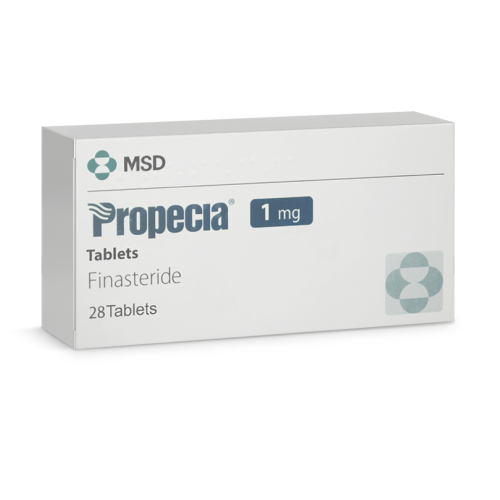
Propecia (finasteride) is a prescription medication for men with male pattern hair loss, available only in the United States by a healthcare provider’s order. Before starting, know this: Propecia works by targeting the root hormonal cause of hair loss, but realistic expectations—and understanding the potential side effects—are key to a positive experience.
Why Propecia Shows Up in Real-Life Hair Loss Conversations
In the waiting room, nobody says “male pattern baldness.” They say, “I’m tired of shedding,” or “I thought I’d have more hair at 35.” Among the clutter of supposed solutions—shampoos, supplements, and late-night infomercials—Propecia gets mentioned in hushed, hopeful tones. Sometimes with a side of skepticism.
That’s because, unlike most other options, Propecia is the only FDA-approved pill designed to stop hair loss at its source for men. Not a miracle cure. Not a cosmetic cover-up. It works by lowering levels of a hormone (DHT) inside the scalp, which is what drives the miniaturization of hair follicles over time. It’s not just another bottle on the shelf—you need a prescription, a doctor’s visit, and real commitment.
Does Propecia Live Up to the Hype? What Evidence Really Says
Data, not anecdotes, should answer the question most men carry into the exam room: Will it really work for me?
Propecia’s active ingredient, finasteride, has been the focus of clinical trials for over two decades. Multiple large studies in the United States and globally point to a clear effect: most men who take Propecia daily for at least three to six months see a halt in further hair loss, and about two out of three experience visible regrowth. The effect is sustained as long as the medication is continued.
But numbers don’t tell the whole story. Hair regrowth is usually modest—think increased density, not a teenage hairline. Improvement is most apparent in the crown and mid-scalp, not the hairline itself. And results only persist with continued use: stopping Propecia means losing any gains within 12 months.
The Experience of Taking Propecia: What Patients Notice—and What They Don’t
Most men start Propecia with quiet skepticism. The first month passes with little change. By the third month, less hair in the shower drain is often the first tangible sign. Visible thickening, if it happens, tends to appear by six to nine months—subtle, but real enough to notice in photos or under harsh bathroom lights.
But what’s just as crucial is what isn’t felt. Propecia is not a stimulant. There’s no “rush,” no scalp tingling, no sense of something working. Some men get frustrated by this lack of a daily signal—others see it as proof the medication is gentle and unobtrusive.
- No daily reminders: No topical application, no residue, no visible sign you’re using a medication.
- Commitment required: Missing doses occasionally won’t undo progress, but stopping entirely will.
- Psychological aspect: For some men, knowing they’re “doing something” for their hair loss is a psychological relief; for others, anxiety about side effects can color the experience even in the absence of symptoms.
Propecia vs. the Alternatives: What Clinicians Actually Compare
In the United States, the treatment landscape for hair loss is crowded but with few evidence-based options. Propecia isn’t the only therapy, but it’s the only oral prescription approved by the FDA to treat male pattern hair loss. Most competitors fall into three camps: topical minoxidil, off-label medications (such as oral minoxidil or spironolactone), and non-drug approaches (supplements, PRP, devices, and surgery).
| Attribute | Propecia (finasteride) | Topical Minoxidil | Dutasteride (off-label) |
|---|---|---|---|
| FDA Approval for Male Pattern Hair Loss | Yes | Yes | No (approved for prostate conditions, used off-label) |
| Formulation | Oral tablet, 1 mg daily | Topical solution or foam, twice daily | Oral capsule, 0.5 mg daily (off-label for hair) |
| Mechanism | Blocks conversion of testosterone to DHT | Prolongs growth phase of hair follicles | More potent DHT blocker (stronger than finasteride) |
| Usual Onset of Effect | 3–6 months | 3–6 months | 3–6 months |
| Evidence for Hair Regrowth | Strong, multiple RCTs | Strong, multiple RCTs | Emerging, some small RCTs |
| Prescription Status (U.S.) | Prescription only | Over-the-counter | Prescription only (off-label use) |
| Common Side Effects | Sexual side effects, mood changes (rare) | Scalp irritation, shedding in first weeks | Sexual side effects (more frequent than finasteride) |
| Reimbursement & Cost | Generic covered by many plans; brand higher cost | OTC, price varies | Variable, insurance rarely covers for hair loss |
Dutasteride is sometimes used off-label for men who do not respond to Propecia, but it carries a higher risk of sexual side effects in most studies. Minoxidil remains a first-line topical option—often combined with Propecia for greater effect. While supplements and laser devices are heavily marketed, clinical evidence for their effectiveness lags far behind the evidence for finasteride.
Which Side Effects Matter Most with Propecia—and When to Act
Fears about side effects are the single biggest barrier that keeps men from trying Propecia. The truth is nuanced: most men tolerate finasteride well, but a minority experience persistent symptoms that matter deeply to them. Honest risk communication—not reassurance—matters here.
The most discussed concerns are sexual: reduced libido, erectile issues, or reduced semen volume. These effects occur in 2–4% of men in clinical trials. For most, symptoms resolve with continued use or after stopping the medication. A much smaller group reports persistent symptoms even after discontinuation, sometimes called “post-finasteride syndrome.” At this time, the existence and mechanism of this syndrome remain debated in the medical literature, and no regulatory agency in the U.S. recognizes it as an established diagnosis.
Other possible side effects—breast tenderness, mood changes, or allergic reactions—are rare, but require prompt medical attention if they occur.
| Side Effect | Frequency | When to Contact Doctor |
|---|---|---|
| Reduced libido | 2–4% | Persistent for more than 4 weeks, or affects daily life |
| Erectile dysfunction | 1–2% | New onset, persistent, or causing distress |
| Decreased semen volume | ~1% | If associated with pain or other symptoms |
| Breast tenderness/swelling | <1% | At first sign—possible sign of more serious effect |
| Depressed mood | <1% | If persistent or worsening |
| Allergic reaction (rash, swelling, trouble breathing) | Rare | Immediately—seek emergency care |
“In my experience, most patients who experience side effects on Propecia either see them resolve over the first few months or after stopping the medication. But for the small number who do not, the impact is significant. This is why I discuss both the probability and the uncertainty with every patient considering finasteride. The key is to start with eyes open and to check in early if anything feels wrong.”
When NOT to Take Propecia: Warning Signs and Red Flags
Women who are pregnant or may become pregnant should never handle crushed or broken Propecia tablets. Absorption through the skin could harm a developing male fetus. Tablets are coated to prevent accidental contact with the medication, but extra care is always warranted.
FAQ: What Men Ask About Propecia That No One Answers Clearly
- How long do I need to take Propecia before I see results?
- Most men see a halt in hair loss within 3–6 months. Visible regrowth, if it occurs, may take up to a year. Daily use is essential—skipping weeks or stopping entirely will usually result in any gains being lost within 6–12 months.
- Can I drink alcohol while taking Propecia?
- There is no known interaction between finasteride and moderate alcohol consumption. Excessive drinking can worsen hair loss by other mechanisms, but it does not interfere with Propecia’s effectiveness.
- What happens if I stop taking Propecia suddenly?
- Hair loss typically resumes within a few months of stopping. Any regrown hair is usually lost within 12 months. There are no withdrawal symptoms, but hair status typically returns to baseline or worse.
- Does Propecia cause permanent sexual side effects?
- For most men, sexual side effects resolve after stopping the medication. A very small number report persistent symptoms; the existence and mechanism of “post-finasteride syndrome” is debated in the medical community and not recognized by the FDA as an established medical condition.
- Can women take Propecia for hair loss?
- Propecia is not approved for use in women. It can cause birth defects if taken or handled during pregnancy, and its effectiveness for female pattern hair loss has not been established in the U.S.
- Do I need to monitor labs or take blood tests while on Propecia?
- Routine laboratory monitoring is not required for healthy men taking Propecia for hair loss. Your provider may monitor prostate-specific antigen (PSA) if you are older or have other prostate concerns, as finasteride can lower PSA levels.
- Will insurance cover my Propecia prescription?
- Most insurance plans do not cover Propecia for hair loss, viewing it as a cosmetic treatment. Generic finasteride is affordable for most patients, but costs can vary—always check with your pharmacy and insurer.
Sources and References
- U.S. Food & Drug Administration (FDA): Home
- Mayo Clinic: Finasteride (Oral Route)
- American Academy of Dermatology Association: Hair Loss Resources
- Finasteride (Propecia) Prescribing Information, Merck & Co., Inc., 2022
- Guidelines for the Diagnosis and Treatment of Male Pattern Hair Loss, American Academy of Dermatology, 2020
- ClinicalTrials.gov
- PubMed: Finasteride and Male Pattern Hair Loss