

- Home/
- Buy Doxycycline in Online Pharmacy for United States Customers
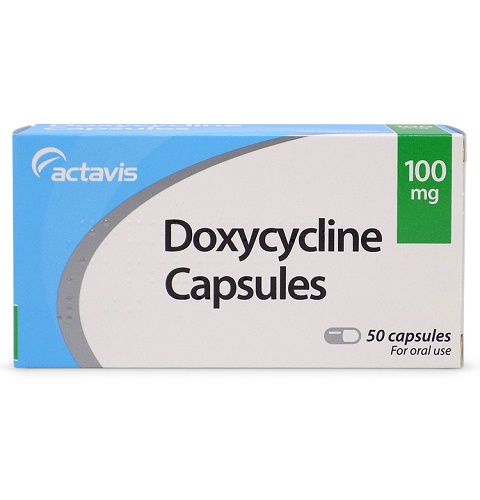
Doxycycline in the United States: Expert Guide to Safe Use, Efficacy, and Access
Is Doxycycline Prescription-Only in the United States?
No, it is not legal to buy Doxycycline without a valid, doctor-issued prescription in the United States. The U.S. Food and Drug Administration (FDA) classifies Doxycycline as a prescription-only antibiotic. Attempting to purchase it from non-licensed sources or without a prescription is both illegal and potentially dangerous. Always consult your healthcare provider before starting any antibiotic, including Doxycycline.
Key Takeaways: Doxycycline at a Glance
| Feature | Details (United States, 2026) |
|---|---|
| Active Ingredient | Doxycycline (tetracycline-class antibiotic) |
| Prescription Status | Prescription required nationwide |
| Typical Uses | Bacterial infections: respiratory, skin, urinary tract, tick-borne diseases, acne, some STIs |
| Onset of Action | 2–3 hours after oral dosing (peak plasma concentration) |
| Main Contraindications | Allergy to tetracyclines, pregnancy (after 20 weeks), children under 8 years, severe liver insufficiency |
| Insurance Coverage | Widely covered by private insurance, Medicare, and Medicaid |
| Common Side Effects | Photosensitivity, nausea, diarrhea, esophageal irritation |
Bottom line: Doxycycline is a broad-spectrum antibiotic with established efficacy, but its use is strictly regulated in the United States.
How Does Doxycycline Work? Mechanism of Action Explained
Scientific Basis: Doxycycline is a bacteriostatic antibiotic belonging to the tetracycline class. It works by binding to the 30S ribosomal subunit in bacteria, specifically inhibiting the attachment of aminoacyl-tRNA to the mRNA-ribosome complex. This action prevents bacteria from synthesizing essential proteins needed for growth and replication, effectively stopping the infection from progressing (NIH, 2023).
Metaphor for Patients: Think of Doxycycline as putting handcuffs on a bacteria’s protein-building machinery—the bacteria can’t move forward or replicate, so your immune system has a much easier job finishing them off.
Notably: Doxycycline does not kill bacteria directly (not bactericidal) and does not work on viruses (e.g., influenza, COVID-19). It is effective only against bacteria sensitive to its mechanism.
How to Take Doxycycline: Dosage, Duration, and Practical Instructions
| Indication | Usual Adult Dose | Duration | Maximum Daily Dose |
|---|---|---|---|
| Acute infections (respiratory, UTI, skin) | 100 mg twice daily (BID) | 7-14 days | 200 mg |
| Acne vulgari | 50–100 mg once or twice daily | Up to 12 weeks | 200 mg |
| Tick-borne disease (Lyme, RMSF) | 100 mg BID | 7–14 days | 200 mg |
- Take Doxycycline with a full glass of water, preferably sitting upright or standing, to minimize the risk of esophageal irritation.
- Do not lie down for at least 30 minutes after swallowing the tablet/capsule.
- Food may reduce stomach upset, but high-calcium meals (milk, cheese, yogurt) should be avoided immediately before/after dosing (see next section).
- Never exceed the maximum recommended daily dose (200 mg for adults).
- Tablets and capsules should not be split unless specifically advised by your pharmacist or doctor, as not all formulations are designed for splitting.
- Missed dose? Take it as soon as you remember, unless it’s almost time for your next dose. Never double up to compensate.
Peak effect: Doxycycline reaches maximum blood levels about 2–3 hours after oral administration. The half-life is approximately 18–22 hours in healthy adults.
Bottom line: Follow your doctor’s instructions precisely and complete the entire prescribed course, even if symptoms improve early.
Food, Alcohol, and Lifestyle: What Affects Doxycycline?
- Can I take Doxycycline with food?
-
You can take Doxycycline with food to reduce gastrointestinal upset, but avoid dairy products (milk, cheese, yogurt) within two hours before and after dosing. Calcium, magnesium, iron, and zinc can significantly reduce absorption and effectiveness.
- Is alcohol allowed during Doxycycline therapy?
-
Moderate alcohol consumption does not significantly affect Doxycycline metabolism for most adults. However, chronic heavy alcohol use can increase liver enzymes and lower blood levels of the drug, possibly making treatment less effective. When in doubt, abstain or discuss with your doctor.
- Are there specific foods to avoid?
-
Besides dairy, also avoid antacid products (Tums, Maalox), multivitamins, or supplements that contain calcium, magnesium, or iron within 2 hours of taking Doxycycline.
- Grapefruit juice and Doxycycline?
-
Unlike with some medications, grapefruit juice does not significantly interact with Doxycycline.
- What about sun exposure?
-
Doxycycline can increase your risk of sunburn and photosensitivity reactions. Use sunscreen (SPF 30+), wear protective clothing, and avoid tanning beds during therapy.
Myth: “You must avoid all alcohol with antibiotics.”
Reality: Limited, responsible alcohol intake typically does not cause serious interactions with Doxycycline, though heavy drinking can reduce effectiveness.
Who Should Not Take Doxycycline? Contraindications and Cautions
Absolute Contraindications
- Known allergy to Doxycycline or other tetracyclines (e.g., minocycline, tetracycline).
- Pregnancy after 20 weeks gestation: Doxycycline can cause permanent tooth discoloration and possible bone growth impairment in the fetus.
- Children under 8 years old: Risk of tooth staining and enamel hypoplasia.
- Severe liver dysfunction: Doxycycline is metabolized in the liver; impairment can lead to accumulation and toxicity.
Relative Contraindications (Use Only with Close Monitoring)
- Mild to moderate hepatic impairment
- Renal impairment: Though Doxycycline is less nephrotoxic than older tetracyclines, dose adjustment and monitoring may be required in severe kidney disease.
- History of esophageal reflux or ulcers: Tablets can cause or worsen esophagitis.
- Myasthenia gravis: May worsen muscle weakness (rare case reports).
Why? In children and pregnant women, tetracyclines deposit in growing tissues—leading to discoloration and potential long-term growth problems. Liver impairment increases the drug’s half-life, raising toxicity risk.
What Side Effects Can Occur with Doxycycline?
| Frequency | Side Effect | What You Might Notice | Recommended Action |
|---|---|---|---|
| Very Common (>1/10) | Photosensitivity | Severe sunburn or rash after sun exposure | Use sunscreen, avoid sun; call doctor if severe |
| Common (1/100–1/10) | Nausea, vomiting, diarrhea | Stomach upset, loose stools | Take with food (not dairy); stay hydrated |
| Common | Esophageal irritation or ulcers | Pain when swallowing, chest discomfort | Sit upright when taking; see doctor if persistent |
| Rare (<1/1,000) | Allergic reactions (rash, swelling, anaphylaxis) | Hives, facial swelling, trouble breathing | Stop immediately, call 911 |
| Very Rare (<1/10,000) | Liver injury, pancreatitis, blood disorders | Yellowing of skin, severe abdominal pain, unexplained bleeding | Seek immediate medical attention |
Bottom line: Most side effects are mild and reversible. However, immediate medical attention is needed for signs of allergy, severe abdominal pain, or jaundice.
Alternatives: How Does Doxycycline Compare to Other Antibiotics?
| Antibiotic | Onset (hours) | Duration (half-life) | Major Side Effects | Typical Price Range (USD, 2026) | When Preferred |
|---|---|---|---|---|---|
| Doxycycline | 2–3 | 18–22 h | GI upset, sun sensitivity | $8–$30 per 10 tablets (generic) | Tick-borne illness, acne, atypical pneumonia |
| Amoxicillin | 1–2 | 1–1.5 h | Rash, GI upset | $6–$25 per 20 capsules | Strep throat, ear infections, some UTIs |
| Azithromycin | 2–4 | 68 h | QT prolongation, GI upset | $15–$40 per 6 tabs (Z-Pak) | Chlamydia, pneumonia, bronchitis |
No one antibiotic is “better” in all cases. Doxycycline is especially valuable for tick-borne illnesses, acne, and situations where beta-lactam antibiotics (like amoxicillin) aren’t effective or safe. Pricing is similar for common generics, but coverage by insurance may vary. Always rely on your clinician’s guidance when choosing an antibiotic.
Doxycycline: Key Characteristics Table
| Parameter | Value |
| Drug Class | Tetracycline antibiotic |
| Prescription Required | Yes |
| Bioavailability | ~95% (oral) |
| Main Metabolism | Liver |
| Elimination | Primarily fecal, partial renal |
| Half-life | 18–22 hours |
| Insurance Coverage | Most U.S. plans |
| Generic Available | Yes |
Step-by-Step: How to Get Doxycycline Legally in the United States
- Consult a Healthcare Professional: You need to see a licensed medical provider (MD, DO, NP, or PA). This can be done in-person or via telehealth (video or phone-based medical visit), which is widely available across the U.S.
- Clinical Assessment: Your provider will review your symptoms and medical history, and may order labs or other tests to confirm a bacterial infection suitable for Doxycycline.
- Receive a Prescription: If Doxycycline is appropriate, your provider will send an electronic prescription directly to your pharmacy of choice—either local or an accredited mail-order pharmacy.
- Fill Your Prescription: Pick up your medication in person at a licensed pharmacy (e.g., Walgreens, CVS, Rite Aid, Walmart), or use a legitimate U.S. online pharmacy (look for “VIPPS” accreditation from the National Association of Boards of Pharmacy).
- Follow Usage Instructions: Read the included patient information and follow your provider’s directions. If you have questions, speak with your pharmacist before starting treatment.
Never purchase Doxycycline from online sources without a prescription. Unregulated sites may sell counterfeit, contaminated, or subtherapeutic products that put your health at risk.
Legal and Safety Guide: Buying Doxycycline Online in the United States
Buying from Legitimate Pharmacies
- Local pharmacies: Require a valid prescription and verify your identity.
- Accredited online pharmacies: Must display “VIPPS” (Verified Internet Pharmacy Practice Sites) seal. Always check the pharmacy’s status at the NABP Safe Pharmacy site.
Red Flags for Illegal or Unsafe Pharmacies
- No prescription required
- Unusually low prices (far below U.S. standard)
- Non-U.S. domain names or addresses
- No licensed pharmacist available for questions
Risks of Buying Without a Prescription
- Counterfeit or contaminated products
- Incorrect dosing or formulation
- Legal consequences, including customs seizure or prosecution
- Personal and public health risks (antibiotic resistance, treatment failure)
Bottom line: Your prescription is a safeguard, not a hurdle. Always use U.S.-licensed providers and pharmacies.
How to Spot Counterfeit Doxycycline (and When to Choose Generics)
- Packaging: Original U.S. Doxycycline (branded and generic) comes in sealed blister packs or pharmacy-labeled bottles. Look for clear, professional labeling (drug name, strength, lot number, expiration date, manufacturer).
- Tablet/Capsule appearance: Uniform color, no chips or odd smells. Branded tablets/capsules may have unique markings or engravings; check pharmacist instructions for expected appearance.
- Holograms/QR Codes: Some manufacturers use holographic seals or QR codes you can verify via their website or your pharmacist.
- Price: Beware of Doxycycline offered at a fraction of typical U.S. generic prices ($8–$30 per standard course in 2026). If it sounds too good to be true, it probably is.
Generics vs. Brand-Name Doxycycline: FDA-approved generic versions must demonstrate bioequivalence to the original product—meaning they have the same active ingredient, strength, dosage form, and efficacy. Inactive ingredients (excipients) may differ and rarely cause allergies. If you have known sensitivities, ask your pharmacist for the full ingredient list.Generics are typically just as effective as brand-name Doxycycline, and cost less. Discuss with your prescriber if you have concerns about switching.
What to Do in Case of Overdose
- Stop taking Doxycycline immediately.
- Call Poison Control at 1-800-222-1222 or dial 911 if you have severe symptoms (trouble breathing, loss of consciousness, seizures).
- Tell the healthcare provider exactly how much Doxycycline you took, when, and any symptoms.
- Do not try to induce vomiting or take remedies unless specifically instructed by medical personnel.
Symptoms of overdose may include severe nausea, vomiting, diarrhea, confusion, blurred vision, or jaundice. Early medical intervention is crucial to prevent complications.
Doxycycline for Special Populations: Who Needs Extra Caution?
- Children under 8 years: Avoid due to risk of permanent tooth discoloration and bone growth effects.
- Pregnant and breastfeeding women: Not recommended, especially after the 20th week of pregnancy. Discuss alternatives with your OB-GYN.
- Seniors (age 65+): May be more susceptible to esophageal or GI side effects. Monitor hydration and report any swallowing difficulty.
- Chronic liver or kidney disease: Dose adjustments may be needed. Close monitoring is required.
- Driving and machinery: Doxycycline does not usually cause drowsiness or impair coordination. If you experience dizziness or blurred vision, avoid driving until symptoms resolve.
- Fertility: Current evidence shows no lasting impact on fertility in men or women after a completed course.
Empathy note: If you’re struggling with infection or chronic conditions, remember—you’re not alone. Many Americans manage similar issues each year. Honest conversations with your healthcare provider can make a major difference in your recovery and comfort.
Frequently Asked Questions (FAQ) about Doxycycline in the United States
- Can I use Doxycycline if I am allergic to penicillin?
- Yes, Doxycycline is not related to penicillin and is commonly used as an alternative in penicillin-allergic patients. Always inform your doctor about any allergies.
- Can I stop taking Doxycycline once I feel better?
- No. Finish the entire prescribed course to prevent relapse and antibiotic resistance, even if your symptoms resolve early.
- How quickly does Doxycycline work?
- Most patients notice improvement within 48–72 hours, but full resolution may take longer depending on the infection.
- Is it safe to take Doxycycline for a long period?
- Short courses (1–2 weeks) are standard. For acne or chronic conditions, longer use is possible but should be monitored regularly for side effects.
- Does Doxycycline interact with birth control?
- There’s minimal evidence that Doxycycline reduces combined oral contraceptive effectiveness, but vomiting or diarrhea may impact absorption. Use backup contraception if you’re unwell.
- What happens if I miss a dose?
- Take it as soon as you remember unless it’s close to your next dose. Never double up. Contact your provider for guidance if unsure.
- Is Doxycycline covered by insurance?
- Most private insurance plans, as well as Medicare and Medicaid, cover generic Doxycycline with a provider’s prescription.
- Can I use Doxycycline for COVID-19?
- No. Doxycycline is not effective for viral infections like COVID-19 and should not be used unless prescribed for a bacterial co-infection.
- Are there alternatives if I can’t take Doxycycline?
- Your healthcare provider may suggest other antibiotic classes, such as macrolides or beta-lactams, depending on your infection and allergies.
References
- NIH. Doxycycline. In: StatPearls [Internet]. Treasure Island (FL): StatPearls Publishing; 2023. Read online
- FDA Drug Database: Approved Drugs – Doxycycline. U.S. Food & Drug Administration. Accessed June 2026. FDA Doxycycline
- Centers for Disease Control and Prevention. Antibiotic Use in the United States, 2025 Update. CDC Antibiotic Guidance
- National Association of Boards of Pharmacy. Find Safe Online Pharmacies. Accessed June 2026. NABP Safe.Pharmacy
- Davis, C. L., et al. “Tetracycline antibiotics in pregnancy and childhood: Risks and benefits.” American Journal of Obstetrics and Gynecology, 2024. AJOG 2024