

- Home/
- Buy Nolvadex at Low Price in United States Online
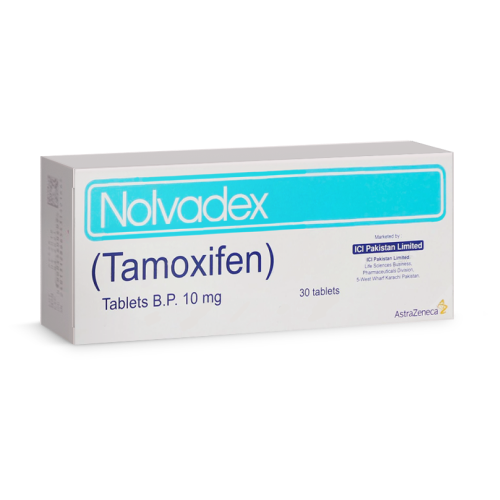
Nolvadex (Tamoxifen) in the United States: The Definitive Medical Guide for Safe, Legal Treatment
Quick Summary of Nolvadex in United States
- Active Ingredient: Tamoxifen citrate
- Main Use: Treatment and prevention of hormone receptor-positive breast cancer
- Prescription Status: Prescription only (Rx required, per FDA regulations)
- Standard Dose: Typically 20 mg once daily (varies by indication)
- Absolute Contraindications: History of blood clots, pregnancy, known hypersensitivity
- Major Side Effect: Increased risk of blood clots and endometrial cancer
- Generic Availability: Yes (multiple FDA-approved generics available)
- Price Range (as of 2026): $15–$80/month (varies by insurance, pharmacy, and generic/brand selection)
- Legal Online Purchase: Only with a valid prescription from a licensed U.S. provider via certified pharmacy
Can Nolvadex Be Purchased Without a Prescription in the United States?
No, Nolvadex (Tamoxifen) cannot be legally purchased without a prescription in the United States. The FDA classifies Tamoxifen as a prescription-only medication. It is illegal and unsafe to obtain Nolvadex through sources that do not require a valid U.S. prescription. Purchasing from unregulated sources increases the risk of counterfeit drugs, legal penalties, and serious health complications.
What Is Nolvadex and Who Needs It?
Nolvadex is the trade name for tamoxifen citrate, a selective estrogen receptor modulator (SERM) primarily used to treat and prevent hormone receptor-positive breast cancer in both women and men. Its most common indications include:
- Treatment of estrogen receptor-positive (ER+) early or metastatic breast cancer
- Prevention of breast cancer recurrence after surgery (adjuvant therapy)
- Risk reduction in high-risk populations (such as those with BRCA mutations or strong family history)
- Treatment of ductal carcinoma in situ (DCIS) in certain cases
Less commonly, Tamoxifen is used in men with breast cancer, and occasionally in the treatment of infertility related to anovulation, though this is not its FDA-approved indication.
How Does Nolvadex Work in Your Body?
Mechanism, in detail: Tamoxifen acts as a selective estrogen receptor modulator (SERM). It binds to estrogen receptors on breast cells, blocking the effect of natural estrogen. This prevents the hormone from stimulating the growth of hormone-dependent breast cancer cells.
On a molecular level, Tamoxifen competes with estrogen for binding to the estrogen receptor in breast tissue. Once bound, it causes a conformational change in the receptor, turning it into an “antagonist”—blocking gene transcription that would otherwise promote tumor growth. However, in other tissues (such as bone or the endometrium), Tamoxifen can act as an estrogen “agonist,” which is why it has both anti-cancer benefits and some risks (like thickening of the uterine lining).
Simplified metaphor: Imagine estrogen as a key that turns on a “growth switch” in breast cells. Nolvadex (tamoxifen) acts like a fake key that fits the lock but doesn’t turn it—so the switch stays off and cancer cells can’t grow.
Dependency: The drug works independently of external triggers, but is only effective in tumors that are estrogen receptor-positive (ER+). It does not work in ER-negative breast cancers.
Expert Commentary from doctor
In clinical practice, I often encounter patients who believe Nolvadex is a “one-size-fits-all” solution for breast cancer. The reality is, its benefits are largely restricted to those with tumors expressing estrogen receptors. It’s crucial patients understand that Tamoxifen is a long-term commitment—adherence directly impacts outcomes, but side effects (like hot flashes or leg swelling) can lead to skipped doses. I always counsel patients on recognizing early signs of blood clots, stress the importance of annual gynecological exams (for women), and encourage them to report unusual symptoms, even if they seem trivial. Patient education is key: many complications can be prevented when patients know what to look for.
How Is Nolvadex Processed in the Body? (Pharmacokinetics)
- Absorption: Tamoxifen is rapidly absorbed from the gastrointestinal tract, with peak plasma levels usually reached 4–7 hours after oral dosing.
- Metabolism: It is metabolized primarily by the liver via cytochrome P450 enzymes (especially CYP2D6 and CYP3A4) to several active metabolites, including endoxifen, which is responsible for much of its anti-cancer activity.
- Half-life: The plasma half-life of Tamoxifen is long—about 5 to 7 days, though some metabolites may persist for up to 14 days.
- Elimination: The majority is excreted via feces, with a small portion through urine.
- Drug Interactions: Drugs that inhibit CYP2D6 (such as some antidepressants like fluoxetine or paroxetine) may lower Tamoxifen’s effectiveness by reducing levels of its active metabolites.
Bottom line: The long half-life allows once-daily dosing but also means side effects may take time to resolve after stopping the medication. People with severe liver impairment may require extra monitoring.
How Should Nolvadex Be Taken? Dosing Guidelines for the United States
| Indication | Recommended Dose | Duration | Max Dose | Notes |
|---|---|---|---|---|
| Breast Cancer Treatment | 20–40 mg/day (usually 20 mg once daily) | 5 years (sometimes extended to 10 years) | 40 mg/day | For doses >20 mg, may split into 2 daily doses |
| Breast Cancer Prevention (High Risk) | 20 mg/day | 5 years | 20 mg/day | Not FDA approved for men for prevention |
| Ductal Carcinoma In Situ | 20 mg/day | 5 years | 20 mg/day | Consult oncologist for individual regimen |
Tablet splitting: Most Tamoxifen tablets in the U.S. can be split, but always confirm with your pharmacist as some generics may differ in formulation.
Missed doses: If you forget a dose, take it as soon as you remember. If it’s close to your next scheduled dose, skip the missed dose. Do not double up.
Peak effect: It may take several weeks to months for the full benefit to be seen in cancer treatment or prevention.
Adjustment for elderly or liver-impaired patients: No specific U.S. guideline for routine dose reduction, but increased monitoring is advised due to altered liver metabolism.
Does Food, Alcohol, or Lifestyle Affect Nolvadex?
- With Food:
- Tamoxifen can be taken with or without food. Food does not significantly affect absorption; however, taking it with food may reduce stomach upset in some patients.
- Fatty Meals:
- No clinically significant effect on absorption or action, according to FDA labeling and recent studies.
- Alcohol:
- Moderate alcohol consumption (1 standard drink per day) is not strictly contraindicated, but is generally discouraged due to the potential for increased liver strain and possible additive risk for endometrial changes. Heavy alcohol use should be strictly avoided.
- Grapefruit Juice:
- Currently, there is no evidence that grapefruit juice meaningfully interacts with Tamoxifen, but due to possible CYP450 interactions, it’s wise to avoid excessive amounts.
- Supplements and Herbal Products:
- St. John’s Wort and some SSRIs (e.g., paroxetine, fluoxetine) can reduce Tamoxifen’s effectiveness by altering its metabolism.
Bottom line: Take Tamoxifen at the same time each day, avoid herbal supplements unless cleared by your doctor, and minimize alcohol intake for optimal safety.
Who Should Not Take Nolvadex? Contraindications and Cautions
| Absolute Contraindications | Relative Contraindications / Use with Caution |
|---|---|
|
|
Why? Tamoxifen increases the risk of blood clots by altering estrogen pathways, which can trigger clotting cascades. In pregnancy, it can cause fetal anomalies or miscarriage due to its hormonal effects.
After a blood clot: Tamoxifen is generally avoided for at least several years and only reconsidered under strict oncological supervision (risk-benefit must be re-evaluated).
What Side Effects Are Most Common with Nolvadex?
| Frequency | Side Effect | Mechanism | What to Do |
|---|---|---|---|
| Very Common (>1/10) |
|
Anti-estrogenic effect in brain and reproductive organs | Usually mild; discuss with doctor if bothersome |
| Common (>1/100) |
|
Fluid retention, mild allergic/immune effects | Monitor; contact doctor if persistent or severe |
| Rare (<1/1,000) |
|
Pro-thrombotic shift, estrogen agonism in uterus, rare retinal effects | Seek emergency care for sudden symptoms (chest pain, shortness of breath, leg pain, severe headache, sudden vision loss) |
| Very Rare (<1/10,000) |
|
Idiosyncratic immune or metabolic reactions | Immediate medical attention required |
Note: The most feared but rare complications are blood clots and endometrial cancer, especially in women over 50. Annual gynecological and liver function exams are recommended for monitoring.
Common Patient Mistakes Observed by doctor
-
Stopping the drug abruptly due to hot flashes or other side effects.
Why it’s a problem: Interruptions reduce effectiveness and increase the risk of cancer recurrence. How to avoid: Discuss side-effect management strategies with your doctor, such as timing the dose or using adjunct therapies. -
Taking herbal supplements without consulting their oncologist.
Why it’s a problem: Products like St. John’s Wort and certain SSRIs can dramatically reduce Tamoxifen’s effectiveness. How to avoid: Always disclose all supplements and medications to your oncology team. -
Missing annual gynecological exams.
Why it’s a problem: Risk of endometrial cancer increases with Tamoxifen. How to avoid: Schedule and attend annual pelvic exams and notify your doctor of abnormal vaginal bleeding. -
Believing that Tamoxifen is effective for all types of breast cancer.
Why it’s a problem: It only works for ER+ breast cancers. How to avoid: Confirm tumor subtype with your oncology team. -
Buying medication from unverified online sources.
Why it’s a problem: High risk of counterfeit or subpotent medication. How to avoid: Use only FDA-registered pharmacies with a valid prescription. -
Doubling up missed doses.
Why it’s a problem: Increases risk of side effects without added benefit. How to avoid: Stick to your dosing schedule; if missed, just continue as normal at the next time.
How Does Nolvadex Compare to Other Breast Cancer Medicines?
| Drug | Active Ingredient | Main Use | Typical Dose | Onset of Action | Common Side Effects | Average Monthly Price (USD) | Notes |
|---|---|---|---|---|---|---|---|
| Nolvadex (Brand) | Tamoxifen | ER+ breast cancer, prevention | 20 mg/day | Weeks (maximal benefit in months) | Hot flashes, clot risk, uterine changes | $60–$80 | Brand name, higher price |
| Tamoxifen (Generic) | Tamoxifen | Same as above | 20 mg/day | Weeks | Similar | $15–$40 | Bioequivalent, lower cost |
| Arimidex | Anastrozole | ER+ breast cancer (postmenopausal) | 1 mg/day | Weeks | Hot flashes, joint pain, bone loss | $120–$200 (generic: $35–$70) | Not for premenopausal women |
| Femara | Letrozole | ER+ breast cancer (postmenopausal) | 2.5 mg/day | Weeks | Joint pain, fatigue, bone loss | $140–$220 (generic: $35–$85) | Not for premenopausal women |
Summary: Nolvadex is preferred in premenopausal women and for prevention; aromatase inhibitors (like Arimidex and Femara) are first line for postmenopausal women. Generics offer significant cost savings without loss of effectiveness.
Key Parameters of Nolvadex (Tamoxifen)
| Parameter | Value |
|---|---|
| Active Ingredient | Tamoxifen citrate |
| Standard Adult Dose | 20 mg orally once daily |
| Maximum Dose | 40 mg/day |
| Formulations Available | 10 mg, 20 mg tablets |
| Duration of Action | Half-life ~5–7 days |
| Metabolism | Liver (CYP2D6, CYP3A4) |
| Prescription Required? | Yes (FDA, DEA regulations) |
| Pregnancy Category | D (contraindicated) |
| Average Monthly Price | $15–$80 (generic/brand) |
How to Obtain Nolvadex Legally in the United States: Step-by-Step Guide
-
Consultation with a Specialist:
Schedule an appointment with an oncologist, breast cancer specialist, or, if appropriate, a primary care physician (in cities like New York, Chicago, or Los Angeles, subspecialists can be found at major cancer centers such as Memorial Sloan Kettering or MD Anderson). -
Diagnosis and Risk Assessment:
Your doctor will evaluate your medical history, conduct necessary tests (such as biopsy and receptor status analysis), and determine if Tamoxifen is suitable for your condition. -
Prescription Issuance:
If indicated, your provider will write a prescription. Telemedicine appointments are increasingly common and legal in most U.S. states for ongoing care and prescription refills, though an initial in-person evaluation may be required. -
Choosing a Pharmacy:
Fill your prescription at a licensed U.S. pharmacy. Both retail and certified online/mail-order pharmacies are acceptable. Look for the NABP “VIPPS” seal for legitimate online providers. -
Medication Pickup/Delivery:
Provide identification and insurance information. If using a mail-order/online pharmacy, delivery is only allowed with a valid U.S. prescription. -
Regular Follow-Up:
Attend scheduled follow-up appointments to monitor effectiveness, manage side effects, and update prescriptions as needed.
Note: Never purchase Tamoxifen from online sources that do not require a prescription. These are often operating illegally and may provide counterfeit or unsafe products.
Can Nolvadex Be Taken with Other Medications or Supplements?
| Product Type | Compatible? | Consequences |
|---|---|---|
| Aspirin | Yes (with caution) | No major interaction, but monitor for bleeding |
| SSRIs (paroxetine, fluoxetine) | NO | Can reduce Tamoxifen effectiveness (CYP2D6 inhibition) |
| St. John’s Wort | NO | Decreases blood levels of active metabolites |
| Anticoagulants (warfarin) | Caution | Increased risk of bleeding; monitor INR closely |
| Calcium/Vitamin D | Yes | No interaction; often recommended to protect bone health |
| Alcohol | Limit | Increases liver strain and side effect risk |
Best practice: Always inform your doctor and pharmacist about all medications and supplements you are taking.
How to Recognize Genuine Nolvadex and Avoid Counterfeits
- Official Packaging:
-
- Original Nolvadex is supplied in blister packs with “NOLVADEX” and dosage clearly printed on each tablet strip.
- Tablets are typically white, round, and may be engraved with “NOLVADEX 10” or “NOLVADEX 20.”
- FDA-approved generics also have unique markings—check with your pharmacist for details specific to your product.
- Boxes should contain a manufacturer’s logo (e.g., AstraZeneca for the original brand), NDC number, and, increasingly, a QR code or hologram for authenticity.
- Warning Signs of Counterfeit:
-
- Unusually low price compared to local pharmacy
- Missing or blurry manufacturer labeling
- Broken, loose, or discolored tablets
- No prescription required for purchase (illegal in U.S.)
- What Are Generics?
- FDA-approved generics contain the same active ingredient and must meet strict equivalence standards. Inactive ingredients may vary (see next section).
Generics vs Brand-Name Nolvadex: Safety and Savings
In the United States, most Tamoxifen prescriptions are filled with generic products, which are regulated by the FDA for bioequivalence. Generics cost significantly less ($15–$40/month vs $60–$80+ for branded Nolvadex), and several manufacturers (e.g., Teva, Mylan, Sandoz) are available.
- Active ingredient is identical; the difference lies in fillers (excipients), tablet shape, and color.
- Allergic reactions to generics are rare but possible due to different inactive ingredients.
- Tip: If you notice a change in how your medication looks, ask your pharmacist for confirmation and check the manufacturer’s imprint code.
Bottom line: Generics are safe, effective, and a smart way to save on long-term therapy in the U.S.
What To Do in Case of Accidental Overdose
- Stop taking Nolvadex immediately.
- Call 911 or your local poison control center (1-800-222-1222) right away.
- Provide the medical team with the exact dose and time of ingestion.
- Do not attempt to induce vomiting unless instructed by a healthcare professional.
- Monitor for symptoms such as severe dizziness, confusion, muscle tremors, or abnormal bleeding.
Note: Tamoxifen overdose is rare but can cause dangerous effects (neurological symptoms, severe nausea, or heart rhythm changes). Prompt medical attention is critical.
Is Nolvadex Safe for Specific Patient Groups?
- Elderly:
- Generally well tolerated, but higher risk of blood clots and bone thinning. Close monitoring recommended.
- Men:
- Can be used for male breast cancer, but may cause impotence or reduced libido.
- Pregnant or Breastfeeding Women:
- Tamoxifen is contraindicated; may cause fetal harm or affect nursing infants.
- Liver/Kidney Disease:
- No dose adjustment routinely required, but severe impairment warrants extra caution and regular bloodwork.
- Driving and Machinery:
- Rarely causes dizziness or vision problems—avoid driving if symptomatic.
- Fertility:
- Women should use effective contraception during treatment and for at least 2 months after stopping. Discuss family planning with your oncology team.
What Should I Do if Nolvadex Doesn’t Work?
- If your cancer progresses or recurs while on Tamoxifen, contact your oncology team immediately.
- Do not stop taking the medication on your own, as abrupt changes can worsen outcomes.
- Alternatives (e.g., aromatase inhibitors, chemotherapy, surgery) may be considered based on cancer type and stage.
- Your doctor may recommend switching therapies or additional testing (such as repeat biopsies or genetic profiling).
Important: Every case is unique. Open communication with your healthcare provider is essential.
Emotional and Psychological Support for Patients
Facing breast cancer or high-risk diagnoses can be overwhelming. Remember, you are not alone—many people in the United States experience similar fears and challenges. It is common to have emotional ups and downs during treatment.
Consider talking to a counselor, joining a support group, or reaching out to organizations like the American Cancer Society for resources. Open conversations with your family or partner can make a difference.
Professional Opinion of doctor
As an oncologist, I find Tamoxifen (Nolvadex) to be one of the most effective and time-tested therapies for hormone receptor-positive breast cancer, especially in premenopausal women and for risk reduction in high-risk groups. The benefits—significant reduction in recurrence and proven survival advantage—often outweigh the risks for most patients. However, Tamoxifen is not suitable for everyone: those with a history of blood clots, liver dysfunction, or pregnancy must avoid it. I always weigh the risk of rare but serious side effects, like blood clots or uterine changes, and recommend annual monitoring. For patients with postmenopausal hormone receptor-positive cancer, aromatase inhibitors may sometimes be preferable due to a lower clot risk. My practice is to individualize treatment based on risk factors, patient preference, and side effect tolerance. In short, Tamoxifen remains a cornerstone—when used with care, respect for its risks, and open patient-doctor communication.
Questions Frequently Asked to doctor
- Can I take Tamoxifen if I am taking antidepressants?
- Some antidepressants—especially paroxetine and fluoxetine—can lower the effectiveness of Tamoxifen by blocking its conversion to active metabolites. Always inform your doctor about any antidepressants you take; safer alternatives (like citalopram or venlafaxine) may be recommended.
- What should I do if I miss a dose?
- Take the missed dose as soon as you remember, unless you are close to your next scheduled dose. Do not double up. If missed often, set a daily alarm or use a pill organizer.
- How long will I need to take Tamoxifen?
- Most patients take it for 5 years; some may continue up to 10 years based on risk profile and tolerance. Your doctor will reassess annually.
- Is it safe to drink alcohol while on Tamoxifen?
- Light to moderate alcohol is not strictly prohibited but is best limited due to possible liver strain and increased risk of side effects.
- I have a family history of blood clots—should I avoid Tamoxifen?
- This increases your risk. A careful risk-benefit discussion with your doctor is needed, and alternative therapies may be safer in some cases.
- Will Tamoxifen affect my fertility or future pregnancy?
- Tamoxifen can cause birth defects if taken during pregnancy and is not a contraceptive. Use effective birth control during treatment and for 2 months after stopping. Discuss family planning with your team before starting therapy.
- Is routine blood work required while on Tamoxifen?
- Yes, periodic blood tests (especially liver function panels), gynecological exams, and sometimes DEXA scans (for bone health) are recommended.
Frequently Asked Questions about Nolvadex in United States
- Is Nolvadex available over the counter in the United States?
- No, it is available only by prescription from a licensed provider.
- How long does it take for Tamoxifen to start working?
- Its anti-cancer effect builds gradually over weeks to months—be patient and keep taking it as directed.
- Can I order Nolvadex online legally in the U.S.?
- Only from certified pharmacies with a valid U.S. prescription; avoid any website that does not require one.
- What should I do if I experience side effects?
- Contact your doctor right away for severe symptoms (such as chest pain, swelling, or vision changes); mild side effects can often be managed with your provider’s help.
- Does insurance cover Tamoxifen in the United States?
- Most commercial and Medicare plans cover it; copays vary by plan and pharmacy.
- Can men take Nolvadex?
- Yes, for male breast cancer, under specialist supervision.
- How can I tell if I have a fake Tamoxifen product?
- Check for FDA-approved packaging, consult your pharmacist, and never buy from a source that does not require a prescription.
- Are there alternatives if I can’t tolerate Tamoxifen?
- Yes—aromatase inhibitors (like anastrozole or letrozole) may be used, especially in postmenopausal women.
- Can I stop Tamoxifen once my symptoms improve?
- No—always complete the prescribed course unless your doctor says otherwise; stopping early increases risk of recurrence.
- Does Tamoxifen interact with birth control pills?
- Yes, it can reduce their effectiveness and should not be used as contraception; discuss safe options with your doctor.
Sources / References
- U.S. Food & Drug Administration (FDA) – Tamoxifen drug label. https://www.accessdata.fda.gov
- National Comprehensive Cancer Network (NCCN) Guidelines: Breast Cancer. https://www.nccn.org
- PubMed – Tamoxifen pharmacology and clinical studies. https://pubmed.ncbi.nlm.nih.gov
- Mayo Clinic – Tamoxifen (Oral Route) Information. https://www.mayoclinic.org/drugs-supplements/tamoxifen-oral-route/description/drg-20068721
- American Cancer Society – Tamoxifen overview. https://www.cancer.org/cancer/breast-cancer/treatment/hormone-therapy-for-breast-cancer/tamoxifen.html
- ClinicalTrials.gov – Tamoxifen studies. https://clinicaltrials.gov