

- Home/
- Buy Zithromax in Online Pharmacy for Fast Delivery in United States
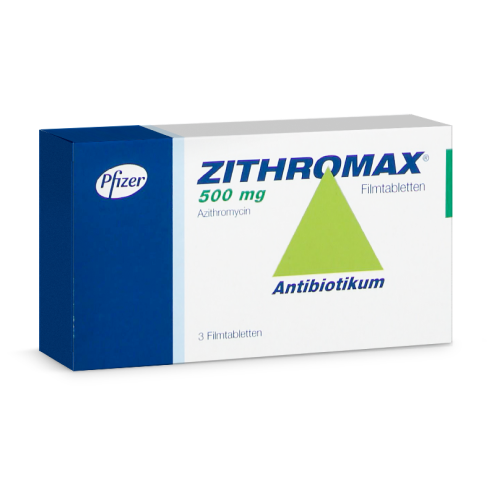
Can Zithromax Be Purchased Without a Prescription in the United States?
No, Zithromax (azithromycin) is a prescription-only medication in the United States. It can only be dispensed by a licensed pharmacy after review and approval by a qualified healthcare provider. Over-the-counter sales or online purchases without a valid prescription are illegal and potentially unsafe.
Key Takeaways
- Zithromax is an antibiotic effective against a range of bacterial infections, including respiratory, skin, and sexually transmitted infections.
- A valid prescription from a licensed U.S. healthcare provider is required to obtain Zithromax.
- Improvement is typically noticed within a few days, but the full course of therapy must be completed as prescribed.
- Common side effects include diarrhea, nausea, and stomach upset; serious reactions are rare but possible.
- Seek immediate medical attention if you experience severe allergic reactions or symptoms of serious side effects.
- Zithromax is not effective against viral illnesses, such as the common cold or flu.
How Does Zithromax Work? Understanding Its Mechanism of Action
Zithromax’s active ingredient, azithromycin, belongs to the macrolide antibiotic class. It works by binding to the 50S subunit of bacterial ribosomes, specifically inhibiting the enzyme peptidyl transferase. This action prevents the bacteria from synthesizing essential proteins required for growth and replication, ultimately leading to cell death or inhibition of bacterial proliferation [FDA].
Azithromycin has a unique pharmacodynamic profile: it achieves high concentrations inside tissues and phagocytic cells, allowing targeted delivery to infected areas. Unlike some other antibiotics, azithromycin exhibits a prolonged half-life (mean 68 hours in adults), allowing for once-daily dosing and often shorter treatment courses [PubMed].
Simplified metaphor: Imagine bacteria as a factory producing harmful products. Zithromax locks the machinery needed for production, so the bacteria can no longer build what they need to survive, ultimately stopping the infection’s spread.
Does Zithromax need specific conditions to work? No, it acts regardless of patient activity or external triggers but is only effective against susceptible bacteria. It will not work for viral infections or resistant bacterial strains.
Misconceptions About Antibiotic Effectiveness: What Patients Often Overlook
In my experience, the most common misconception is that Zithromax—like all antibiotics—should produce immediate relief. Many patients expect symptoms to vanish overnight, but antibiotics often require a day or more before noticeable improvement, especially for more severe infections. Another issue is interpreting initial symptom relief as a signal to stop therapy prematurely, which risks incomplete eradication of the infection and encourages antibiotic resistance. I also wish more patients would ask about possible interactions with other medications or supplements, since these can impact both efficacy and safety. Finally, patients rarely consider the importance of reporting mild side effects early, which sometimes helps us prevent more serious complications down the line.
How Should I Take Zithromax? Dosage, Timing, and Duration
Standard adult dosing varies by infection type:
- Community-acquired pneumonia, sinusitis, skin infections: Usually, 500 mg once on day 1, then 250 mg once daily for 4 more days.
- Strep throat: 500 mg once daily for 3 days or 500 mg on day 1, followed by 250 mg daily for 4 days.
- Chlamydia and uncomplicated genital infections: Single 1,000 mg (1 gram) dose.
Maximum daily dose: Do not exceed 500 mg per day unless specifically directed by your doctor for atypical infections.
Elderly patients: No specific dose adjustment is usually required, but caution is advised, especially in those with liver, kidney, or heart rhythm issues. For patients with severe liver impairment, azithromycin should be used with caution or avoided, as it is mainly processed by the liver.
Splitting tablets: Zithromax tablets should not be split or crushed unless the manufacturer’s instructions state otherwise. Always swallow whole with a glass of water.
Onset and duration: Peak concentrations occur 2-3 hours after administration; therapeutic effects may be observed within 24-48 hours, but full bacterial clearance requires completing the prescribed course. The long half-life supports once-daily dosing and allows continued antibacterial activity even after the final dose.
How Does Food or Alcohol Affect Zithromax?
Food interaction: Zithromax can be taken with or without food, but some studies suggest that taking it on an empty stomach may allow for faster and slightly higher absorption. High-fat meals may delay absorption by approximately 1 hour but do not significantly impact overall effectiveness [Mayo Clinic].
Alcohol: Moderate alcohol consumption (up to 1 standard drink per day) is not strictly prohibited, but it can worsen gastrointestinal side effects such as nausea and stomach upset. Heavy drinking should be avoided as it may impair immune response and increase liver strain.
Grapefruit juice: No clinically significant interaction has been documented between grapefruit juice and azithromycin, unlike some other medications.
Best practice: Take Zithromax at the same time each day, with a full glass of water, and avoid combining with large, heavy meals or alcohol if you are sensitive to GI upset.
Zithromax Compatibility With Other Products
| Product Type | Can Be Combined? | Consequences / Notes |
|---|---|---|
| Acetaminophen (Tylenol) | Yes | No significant interaction. |
| Ibuprofen (Advil, Motrin) | Yes | Generally safe. |
| Antacids (e.g., aluminum/magnesium) | No – Close timing | Space antacids 2 hours before/after Zithromax; can reduce absorption. |
| Warfarin | Caution | Monitor INR closely; rare interaction reported. |
| Digoxin | Caution | May increase digoxin levels; monitor for toxicity. |
| Alcohol | Moderation only | Can worsen GI upset; not strictly contraindicated. |
Who Should Not Take Zithromax? Contraindications and Precautions
Absolute contraindications:
- Known hypersensitivity to azithromycin, erythromycin, or other macrolide antibiotics.
- History of cholestatic jaundice or liver dysfunction associated with prior use of azithromycin.
- Severe liver impairment (Child-Pugh class C).
Relative contraindications and situations requiring caution:
- Preexisting heart rhythm disorders (QT prolongation, torsades de pointes, arrhythmias); risk is increased when combined with other QT-prolonging drugs.
- Renal impairment: Use with caution in severe kidney dysfunction, though azithromycin is mainly cleared via the liver.
- Myasthenia gravis: Can worsen symptoms.
- Concomitant use with drugs that affect heart rhythm (e.g., sotalol, amiodarone, certain antipsychotics).
- Pregnancy and breastfeeding: Should be used only if clearly needed and prescribed by a physician.
If you have recently had a heart attack, stroke, or acute severe illness, your doctor will assess whether Zithromax is appropriate.
What Side Effects Are Most Common With Zithromax?
Very common (>1/10):
- Diarrhea
Common (1/100 to 1/10):
- Nausea
- Stomach pain
- Vomiting
- Headache
- Abnormal liver function tests
Rare (1/10,000 to 1/1,000):
- Severe allergic reactions (angioedema, anaphylaxis)
- Heart rhythm disturbances (QT prolongation, arrhythmias)
- Hearing loss (usually reversible)
- Severe skin reactions (Stevens-Johnson syndrome)
Very rare (<1/10,000):
- Liver failure
- Pancreatitis
Mechanism of side effects: Most gastrointestinal side effects are due to disruption of normal gut bacteria. Cardiac effects may be due to changes in the electrical properties of heart muscle cells (QT prolongation). Allergic reactions are immune-mediated.
If you experience severe diarrhea, persistent vomiting, skin rash, yellowing of the skin/eyes, chest pain, or signs of allergic reaction (swelling, difficulty breathing), seek medical attention immediately.
Frequent Pitfalls in Zithromax Use: Avoiding the Most Dangerous Errors
- Stopping the medication early when feeling better. This can lead to incomplete treatment, bacterial resistance, and relapse. Always finish the full prescribed course.
- Skipping doses or taking inconsistent intervals. This can reduce effectiveness and increase the risk of resistant bacteria. Set reminders to stay on schedule.
- Taking Zithromax with antacids or mineral supplements without proper timing. Certain antacids can decrease absorption. Space these at least 2 hours before or after the antibiotic.
- Combining with other QT-prolonging drugs without notifying your doctor. This increases the risk of serious heart rhythm problems. Always inform your provider about all medications and supplements.
- Using old or leftover antibiotics for new symptoms. Each infection is different; inappropriate use can be ineffective or dangerous. Never self-prescribe antibiotics.
- Assuming Zithromax will work on viral infections. It is ineffective against viruses and will not help with colds or flu symptoms.
- Ignoring mild side effects until they worsen. Early communication with your doctor allows for timely management and may prevent serious complications.
How Does Zithromax Compare to Other Antibiotics? Alternatives and Cost
Zithromax (azithromycin) is often compared to other common antibiotics, such as amoxicillin (a penicillin) and doxycycline (a tetracycline). Below is a practical comparison:
| Medication | Class | Usual Adult Dose | Common Uses | Typical Duration | Common Side Effects | Estimated Price (USD) |
|---|---|---|---|---|---|---|
| Zithromax (Azithromycin) | Macrolide | 500 mg day 1, 250 mg days 2–5 | Respiratory, skin, STIs | 3–5 days | GI upset, rare heart rhythm effects | $15–$40 (5-day course) |
| Amoxicillin | Penicillin | 500 mg 2–3x/day | Respiratory, skin, urinary | 7–10 days | Allergy, GI upset | $8–$20 (7-day course) |
| Doxycycline | Tetracycline | 100 mg 2x/day | Respiratory, skin, STIs, tick-borne | 7–14 days | GI upset, photosensitivity | $10–$30 (7-day course) |
Bottom line: Zithromax offers convenient dosing and shorter courses, with a generally favorable side effect profile, though it may be more expensive than some generics.
Technical Details: Zithromax at a Glance
| Parameter | Value |
|---|---|
| Active Ingredient | Azithromycin |
| Formulations | Tablets (250 mg, 500 mg), oral suspension, IV |
| Half-life (T1/2) | ~68 hours in adults |
| Metabolism | Liver (minimal CYP450 interaction) |
| Elimination | Primarily biliary (feces); minor renal |
| Storage | 25°C (77°F); protect from moisture |
| Usual Course Length | 3–5 days (varies by infection) |
Myth vs Reality: Is Zithromax a ‘One Dose Cure’?
Myth: One dose of Zithromax is always enough to cure any infection.
Reality: While Zithromax is sometimes prescribed as a single dose for certain infections (e.g., chlamydia), most conditions require multiple days of therapy. Always follow your doctor’s prescribed course.
How Is Zithromax Processed in the Body? Pharmacokinetics Explained
Absorption: Zithromax is well-absorbed orally, with bioavailability of about 37%. Peak plasma concentrations are reached 2–3 hours after dosing.
Distribution: The drug is extensively distributed into tissues—especially lungs, tonsils, and skin—leading to high concentrations at sites of infection.
Metabolism: Primarily processed by the liver; azithromycin is not a significant inducer or inhibitor of major liver enzymes (CYP450), so it has relatively few drug-drug interactions compared to other antibiotics.
Elimination: Zithromax is mainly eliminated via bile into the feces; a smaller amount is excreted in urine. The long half-life (about 68 hours in adults) supports once-daily dosing and makes it forgiving of occasional missed doses.
Special populations: In severe liver impairment, drug clearance is reduced; in severe kidney dysfunction, some accumulation can occur but is typically not clinically significant. Dosage adjustments are rarely needed but should be guided by the prescribing physician.
Is Zithromax Safe for Everyone? Special Populations and Cautions
- Children: Approved for use in children over 6 months (oral forms). Dose is weight-based.
- Older adults: Generally safe, but higher risk of heart rhythm disturbances, especially with preexisting cardiac issues or other QT-prolonging drugs.
- Liver/kidney disease: Use with caution; monitor for side effects.
- Pregnancy: Classified as Pregnancy Category B by the FDA; should only be used if clearly needed and prescribed by a physician.
- Breastfeeding: Small amounts are secreted in breast milk; discuss with your provider.
- Fertility: No evidence that Zithromax affects fertility in men or women.
- Driving or operating machinery: Zithromax does not impair alertness, but side effects like dizziness or fatigue can occur. Use caution if affected.
What’s the Difference Between Brand Zithromax and Generic Azithromycin?
Brand vs Generic: Zithromax is the original brand name for azithromycin, developed by Pfizer. Since the patent expired, many companies manufacture generic azithromycin, which contains the same active ingredient and is held to strict FDA bioequivalence standards in the United States.
Inactive ingredients (excipients): Generics may contain different fillers, dyes, or binders, which can very rarely cause allergic reactions in sensitive individuals. If you have allergies to certain tablet additives, discuss with your pharmacist before switching brands.
Safety and effectiveness: Generics approved by the FDA are considered therapeutically equivalent to the brand. Generics are usually more affordable and widely available.
How to Spot Genuine Zithromax in the United States
- Tablets: Typically oblong, film-coated, marked with dose strength (e.g., “Pfizer ZTM 250” or “ZTM 500”).
- Packaging: Original Zithromax comes in a sealed blister pack inside a branded cardboard box. U.S. packaging includes an NDC number, lot number, and expiration date.
- Labeling: FDA-approved label in English, with manufacturer and distributor information clearly listed.
- Security features: Some packaging may include tamper-evident seals, barcodes, or QR codes for verification.
- Warning sign: Unusually low price, packaging errors, missing patient information leaflets, or non-English labeling are common indicators of counterfeit or imported medications that may not meet U.S. standards.
How Can I Safely Identify Legitimate Online Pharmacies in the United States?
Only use pharmacies that are licensed and verified by your state’s Board of Pharmacy and the National Association of Boards of Pharmacy (NABP). Legitimate online pharmacies display the NABP’s .pharmacy accreditation seal. You can verify a pharmacy’s license using your state Board’s website.
Warning signs of unsafe sellers include:
- Offering prescription medications without requiring a valid prescription.
- Absence of a verifiable U.S. address or contact number.
- Discounts that seem “too good to be true” or aggressively marketed “miracle cures.”
- Spelling or grammatical errors on the website, or lack of privacy and security policies.
Using unregulated online pharmacies increases the risk of receiving counterfeit or substandard medications, which can be dangerous or life-threatening.
How to Distinguish Original vs Counterfeit Zithromax: Security and Savings
Original Zithromax: Produced by Pfizer, with batch and serial numbers, NDC code, and FDA-compliant labeling. All packaging and inserts are in English and reference U.S. regulatory approval.
Generics: FDA-approved generic azithromycin is available from many reputable manufacturers (e.g., Teva, Sandoz, Mylan). Generics must meet strict bioequivalence standards and are typically much less expensive than the brand name.
Counterfeit warning: Counterfeits may mimic appearance but often have subtle errors in labeling, inconsistent tablet appearance, or missing security features. Check for:
- Spelling errors or missing batch numbers.
- Non-English or poorly printed packaging.
- Absence of FDA labeling or NDC number.
- Unusual tablet color, shape, or markings.
If in doubt, consult your pharmacist or report suspicious products to the FDA’s MedWatch program.
Advantage of generics: They offer the same clinical benefit at a lower price, provided they are sourced from licensed U.S. pharmacies.
Step-by-Step: How to Obtain Zithromax Safely in the United States
- Schedule a medical consultation. You can visit your primary care provider, urgent care clinic, or schedule a telehealth appointment.
- Get a clinical assessment. Your provider will evaluate your symptoms, review your medical history, and determine if Zithromax is appropriate for your condition.
- Receive a prescription. If indicated, your provider will send a prescription to your preferred pharmacy (in person or electronically).
- Pick up your medication. Present your ID at a licensed U.S. pharmacy or arrange for home delivery through accredited mail-order services.
- Pharmacist review. The pharmacist will verify potential drug interactions, review dosing, and answer any additional questions before dispensing.
- Follow-up. Report any side effects or lack of improvement to your prescriber, as a different treatment may be needed.
What Should I Do If I Take Too Much Zithromax?
- Stop taking the medication immediately.
- Call emergency services (911) or seek urgent medical attention.
- Inform healthcare personnel of the exact amount and timing of the overdose.
- Bring the medication packaging or prescription with you, if possible.
- Do not try to induce vomiting or treat yourself at home.
Symptoms of overdose may include severe nausea, vomiting, diarrhea, hearing loss, or heart rhythm abnormalities.
Managing Infection Is Normal: Psychological Support and Communication
Dealing with a bacterial infection can be stressful, but it’s a common part of life. If you feel anxious or concerned about your diagnosis or treatment, remember that infections are usually treatable, and recovery is expected. Discussing your worries with your healthcare provider or a trusted support person can help make the process easier. Don’t hesitate to reach out if you feel overwhelmed.
Questions Patients Commonly Ask doctor About Zithromax Therapy
- How quickly should I expect to feel better after starting Zithromax?
- Most patients notice some symptom improvement within 24 to 72 hours, but the full benefit often takes several days. It’s important to finish the whole course, even if you feel better early on.
- Can I take Zithromax if I have allergies to penicillin?
- Yes, azithromycin is unrelated to penicillins and is often used as an alternative in patients with penicillin allergies. However, inform your doctor of all medication allergies before starting treatment.
- What happens if my symptoms don’t improve or get worse?
- If you don’t notice improvement after 3 days or symptoms worsen, contact your physician. You may need further testing or a different antibiotic, as some bacteria may be resistant.
- Should I be worried about antibiotic resistance?
- Resistance is a growing problem, but completing your prescribed course as directed is the best way to reduce this risk. Never share antibiotics or use leftovers from previous illnesses.
- Is it safe to use Zithromax for multiple infections over time?
- It is safe when prescribed appropriately, but frequent use may increase your risk of resistance and side effects. Your doctor will only prescribe Zithromax when it is truly needed.
- Can I use over-the-counter probiotics with Zithromax?
- Probiotics may reduce the risk of diarrhea and other GI side effects. You can generally take them a few hours apart from your antibiotic dose, but ask your doctor for specific recommendations.
- Will Zithromax interact with my birth control?
- Azithromycin does not reduce the effectiveness of hormonal birth control. However, severe vomiting or diarrhea from any cause can affect absorption. Use additional contraception if you experience these symptoms.
- What monitoring is needed during therapy?
- For most healthy adults, no special monitoring is required. If you have liver, kidney, or heart conditions—or are taking other medications with interaction risk—your doctor may recommend periodic blood tests or ECG monitoring.
doctor’s View on Best Candidates and When Alternative Treatment May Be Preferable
In my clinical judgment, Zithromax is most beneficial for patients with mild to moderate respiratory infections, certain skin infections, and specific sexually transmitted infections, especially when adherence to shorter courses is desired. It’s a good choice for individuals with penicillin allergies or those at risk for noncompliance, thanks to its convenient dosing. However, for severe infections, such as hospital-acquired pneumonia or resistant organisms, other antibiotics may be preferred. Patients with preexisting heart rhythm disorders or known history of macrolide intolerance may be better served by alternative therapies. The risk of rare but serious side effects, including arrhythmias and severe liver injury, must be carefully considered in vulnerable populations. Ultimately, antibiotic selection should always be guided by local resistance patterns and individual patient factors; periodic reassessment is warranted if expected improvement does not occur or if new symptoms develop.
Frequently Asked Questions About Zithromax in the United States
Is Zithromax effective against COVID-19?
No, current clinical evidence does not support the use of Zithromax (azithromycin) for the prevention or treatment of COVID-19. The FDA and CDC do not recommend its use for this purpose outside of approved clinical trials.
Can I get Zithromax without seeing a doctor?
No. U.S. law requires a valid prescription from a licensed healthcare provider for Zithromax. Self-medicating or obtaining it from unregulated sources is illegal and unsafe.
How much does a course of Zithromax cost in the United States?
A typical 5-day course of generic azithromycin ranges from $15 to $40, depending on insurance coverage, pharmacy, and location. Brand name Zithromax may be more expensive.
What happens if I miss a dose?
Take the missed dose as soon as you remember. If it’s almost time for the next dose, skip the missed one—do not double up. Continue with your regular schedule and complete the full course.
Can Zithromax treat all types of infections?
No. It is only effective against certain bacterial infections. It will not treat viral infections like the common cold or flu, or some bacterial strains that are naturally resistant.
Are there any foods I should avoid while taking Zithromax?
There are no major food restrictions. Taking Zithromax with or without food is acceptable; avoid taking it with antacids within 2 hours to ensure full absorption.
Should I avoid driving while taking Zithromax?
Most people do not experience effects on concentration or alertness, but dizziness, tiredness, or other side effects can sometimes occur. Use caution until you know how the medication affects you.
What are the most serious side effects to watch for?
Seek urgent care if you develop severe allergic reactions (swelling, hives, breathing difficulty), jaundice (yellowing skin/eyes), severe diarrhea, or sudden chest pain.
Can I take Zithromax if I am pregnant or breastfeeding?
Zithromax can be used in pregnancy or while breastfeeding if prescribed by your doctor, but only when the benefits outweigh the risks. Always consult your provider first.
Is it safe to order Zithromax from an online pharmacy?
Only use U.S.-based pharmacies accredited by the NABP and requiring a valid prescription. Avoid websites that offer the drug without a prescription or at suspiciously low prices.
References
- FDA. Drug Approval Package: Zithromax (Azithromycin). Accessed 2026. https://www.fda.gov/
- Mayo Clinic. Azithromycin (Oral Route) Description and Brand Names. Accessed 2026. https://www.mayoclinic.org/drugs-supplements/azithromycin-oral-route/description/drg-20072015
- PubMed. Azithromycin: Mechanism of action and clinical use. Accessed 2026. https://www.ncbi.nlm.nih.gov/pubmed/
- CDC. Antibiotic Resistance Threats in the United States. Accessed 2026. https://www.cdc.gov/
- National Association of Boards of Pharmacy (NABP). Safe.Pharmacy Verification Program. Accessed 2026. https://nabp.pharmacy/programs/dotpharmacy/
- Pfizer. Zithromax U.S. Prescribing Information. Accessed 2026. https://www.pfizer.com/