

- Home/
- Buy Ventolin Inhaler in Online Pharmacy for United States Customers
Can you get Ventolin Inhaler without a prescription in the United States?
No, Ventolin Inhaler (salbutamol, also known as albuterol) is a prescription medication in the United States. It cannot be legally obtained without a valid prescription from a licensed healthcare provider.
Key Takeaways: Ventolin Inhaler Use in the United States
- Ventolin Inhaler is primarily used for rapid relief of asthma symptoms and other reversible obstructive airway conditions.
- A prescription from a licensed healthcare provider is mandatory in all U.S. states.
- Most patients notice improvement in breathing within minutes of use, but it does not treat underlying airway inflammation.
- Incorrect use or overuse may lead to serious side effects, including heart rhythm problems.
- Always seek prompt medical advice if symptoms worsen, do not improve after use, or if you experience chest pain or severe side effects.
- Ventolin Inhaler is covered by most health insurance plans, but coverage may vary based on provider and plan.
Table of Contents
- How Does Ventolin Inhaler Work? The Science Explained
- Patients’ Expectations vs Reality: What Doctors Notice Most
- How to Use Ventolin Inhaler Safely: Dosage and Timing
- Ventolin Inhaler and Your Lifestyle: Food, Alcohol, and Medication Interactions
- Who Should Not Use Ventolin Inhaler? Red Flags and Contraindications
- What Side Effects Are Most Common with Ventolin Inhaler?
- Common Mistakes: What Patients Often Get Wrong about Ventolin Inhaler
- Comparing Ventolin Inhaler with Alternatives: What Are Your Options?
- Ventolin Inhaler: Key Product Characteristics
- Compatibility Check: Ventolin Inhaler and Other Products
- How Is Ventolin Inhaler Processed in the Body?
- Special Patient Groups: Is Ventolin Inhaler Right for You?
- How to Get Ventolin Inhaler in the United States: Step-by-Step Guide
- How to Identify Legitimate Pharmacies and Avoid Unsafe Sellers
- Spotting Counterfeit Ventolin Inhalers: Your Security Guide
- Quality Check: What Does a Real Ventolin Inhaler Look Like?
- What Should I Do in Case of Accidental Overdose?
- Managing Asthma: Emotional Support and Next Steps
- Common Questions Answered by doctor
- doctor’s Clinical Assessment: Who Benefits Most from Ventolin Inhaler?
- FAQ: Quick Answers about Ventolin Inhaler in the U.S.
- References
How Does Ventolin Inhaler Work? The Science Explained
Ventolin Inhaler contains salbutamol (called albuterol in the U.S.): a selective beta-2 adrenergic receptor agonist. When inhaled, it acts primarily on the smooth muscle cells lining the airways. By stimulating these beta-2 receptors, salbutamol increases the activity of an intracellular enzyme called adenylate cyclase. This leads to an increase in cyclic adenosine monophosphate (cAMP), which in turn causes relaxation of bronchial smooth muscle—resulting in opening of the airways (bronchodilation).
In practical terms, this means that when you use a Ventolin Inhaler during an asthma attack or when experiencing bronchospasm, the medication rapidly widens the airways, making it easier to breathe. The effect is usually felt within 5 minutes and lasts for about 4 to 6 hours.
Simplified Metaphor: Imagine your airways are like the narrow neck of a balloon. When you have an asthma attack, the neck tightens. Ventolin Inhaler acts like pressing a button that instantly relaxes and widens the neck, letting air in and out more freely.
Ventolin Inhaler works independently of external triggers. It does not require the presence of allergens or irritants to be effective—it will open the airways whenever bronchospasm is present.
References: FDA, PubMed, Mayo Clinic
Why ‘Immediate Relief’ Creates Unrealistic Expectations: doctor’s Observations
As a physician, I’ve seen many patients believe that using a Ventolin Inhaler will not only stop their wheezing but also “fix” their asthma altogether. Often, they expect that as long as the inhaler works quickly, it means their condition is fully under control. What’s rarely discussed is that ongoing symptoms, overuse, or repeated need for Ventolin can actually signal poorly managed asthma or persistent airway inflammation. Patients don’t typically ask about long-term management or steroid use until symptoms escalate. I wish more would inquire about how to assess their asthma control and understand that Ventolin is for rescue, not for daily disease prevention. There’s a gap between the desire for fast relief and the reality of comprehensive treatment.
How to Use Ventolin Inhaler Safely: Dosage and Timing
Standard Dosage:
- For adults and children 4 years and older: The usual dose is 1–2 inhalations every 4–6 hours as needed for symptom relief.
- Maximum dose: Do not exceed 8 inhalations in 24 hours (FDA labeling).
- For exercise-induced bronchospasm: 2 inhalations taken 15–30 minutes before exercise.
- Patients with severe hepatic or renal impairment: No specific dose adjustments are recommended, but extra caution and monitoring are advised. Consult your doctor.
Peak Effect: Most people notice improvement within 5 minutes. The effects usually last 4–6 hours.
Canister Handling: Do not puncture or expose the inhaler to extreme temperatures. Always follow your doctor’s instructions regarding frequency and timing.
Never increase your dose without explicit medical instruction. Overuse can lead to severe side effects, including dangerous heart rhythm disturbances.
If you need to use your inhaler more frequently than prescribed, this indicates poor asthma control—contact your healthcare provider promptly.
Ventolin Inhaler and Your Lifestyle: Food, Alcohol, and Medication Interactions
- Food: There are no significant interactions between Ventolin Inhaler and food. Meals do not affect its absorption since it is inhaled, not swallowed.
- Alcohol: Moderate alcohol intake has not shown direct interaction with Ventolin Inhaler. However, excessive alcohol can worsen asthma symptoms and may increase the risk of side effects like palpitations or tremor.
- Grapefruit Juice: No clinically relevant interaction reported, unlike many oral medications.
Practical advice: If you experience jitteriness, rapid heartbeat, or unusual symptoms after combining alcohol or certain foods with your inhaler, discuss it with your doctor. Always review new prescriptions for potential interactions, especially if you have heart conditions or are on multiple medications.
Who Should Not Use Ventolin Inhaler? Red Flags and Contraindications
- Absolute Contraindications:
-
- Known hypersensitivity to albuterol, salbutamol, or any component of the inhaler device.
- Relative Contraindications (Use With Caution):
-
- Cardiac arrhythmias: Beta-2 agonists can worsen abnormal heart rhythms.
- Uncontrolled hypertension: Risk of increasing blood pressure and heart workload.
- Thyrotoxicosis (overactive thyroid): Risk of increased heart rate and arrhythmias.
- Severe hypokalemia (low potassium): Ventolin may further lower potassium levels, especially if used with diuretics or corticosteroids.
- Recent myocardial infarction (heart attack): Use only under close medical supervision and if benefits outweigh risks.
- Drug Interactions of Concern:
-
- Monoamine oxidase inhibitors (MAOIs) and tricyclic antidepressants: May potentiate cardiovascular effects.
- Beta-blockers (especially non-selective): May block the effect of albuterol and worsen bronchospasm.
Never start or stop any medication without consulting your doctor, especially if you have underlying heart conditions, metabolic disorders, or are pregnant/breastfeeding.
What Side Effects Are Most Common with Ventolin Inhaler?
-
Very Common (>10%):
- Tremor (shakiness)
- Headache
- Tachycardia (rapid heartbeat)
-
Common (1–10%):
- Nervousness
- Muscle cramps
- Palpitations
- Insomnia
- Irritation of the throat
-
Rare (<1%):
- Paradoxical bronchospasm (worsening of breathing symptoms)
- Chest pain or angina
- Serious allergic reactions (rash, swelling)
- Changes in blood pressure (usually elevation)
-
Very Rare (<0.01%):
- Severe hypokalemia (dangerous drop in potassium)
- Cardiac arrhythmias requiring emergency intervention
If you experience chest pain, severe palpitations, fainting, or worsening shortness of breath after using Ventolin Inhaler, seek emergency care immediately.
Most side effects are reversible upon stopping the medication. Always report persistent or severe symptoms to your healthcare provider.
Common Mistakes People Make When Using Ventolin Inhaler—and How to Avoid Them
- Not shaking the inhaler before use: This can lead to inconsistent dosing. Always shake well before each spray to ensure even medication distribution.
- Poor inhalation technique: Many patients fail to inhale deeply enough or coordinate actuation and inhalation, leading to reduced delivery of the drug. Practice with your healthcare provider or pharmacist.
- Forgetting to use a spacer when recommended: Spacers can significantly improve drug delivery to the lungs, especially in children or those with coordination difficulties.
- Not priming the inhaler after prolonged non-use: If your inhaler hasn’t been used for several days, follow the instructions for priming to ensure proper dosing.
- Ignoring the dose counter: Using an empty or nearly empty inhaler can be dangerous during an asthma attack. Always check the counter and replace as needed.
- Overusing the inhaler for poorly controlled symptoms: Frequent use (>2 times per week for symptoms) may indicate inadequate asthma control and the need for adjustment of long-term therapy.
- Not rinsing the mouth after use (for some formulations): While this is more critical with steroid inhalers, it is a good practice to minimize throat irritation or dryness.
Comparing Ventolin Inhaler with Alternatives: What Are Your Options?
| Medication | Active Ingredient | Onset of Action | Duration | Common Side Effects | Estimated Price (USD, June 2026) |
|---|---|---|---|---|---|
| Ventolin Inhaler | Albuterol (Salbutamol) | 3–5 min | 4–6 h | Tremor, tachycardia, headache | $40–$65 per inhaler (200 doses) |
| ProAir HFA | Albuterol (Salbutamol) | 3–5 min | 4–6 h | Tremor, palpitations, throat irritation | $35–$60 per inhaler (200 doses) |
| Xopenex HFA | Levalbuterol | 2–5 min | 4–6 h | Headache, dizziness, palpitations | $60–$90 per inhaler (200 doses) |
| Generic Albuterol Inhaler | Albuterol | 3–5 min | 4–6 h | Similar to Ventolin | $20–$40 per inhaler (200 doses) |
Ventolin Inhaler, ProAir HFA, and generic albuterol inhalers have nearly identical speed, duration, and safety profiles. Xopenex HFA contains levalbuterol, which may cause fewer side effects in some patients but is more expensive.
All options are prescription-only in the United States. Insurance coverage and out-of-pocket costs vary by provider and plan. If you experience frequent symptoms, discuss preventive controller therapy with your physician.
Ventolin Inhaler: Key Product Characteristics
| Active Ingredient | Albuterol sulfate (Salbutamol) |
| Formulation | Metered-dose inhaler (MDI) |
| Strength per Actuation | 90 mcg per puff |
| Canister Size | 200 actuations (puffs) |
| Onset of Action | 3–5 minutes |
| Duration of Effect | 4–6 hours |
| Storage Conditions | Store at 59–77°F (15–25°C). Protect from freezing and excessive heat (>120°F/49°C). |
| Prescription Status | Prescription-only in the U.S. |
Compatibility Check: Ventolin Inhaler with Other Medications and Products
| Type of Product | Can it be combined? | Consequences |
|---|---|---|
| Aspirin | Yes | No significant interaction |
| Corticosteroid inhalers (e.g., Fluticasone) | Yes | Often co-prescribed for asthma control |
| Beta-blockers (non-selective) | STRICTLY NO | May cause severe bronchospasm; consult doctor |
| MAOIs or tricyclic antidepressants | With caution | May increase cardiovascular side effects |
| Alcohol | In moderation | May increase risk of palpitations or dizziness |
| Grapefruit juice | Yes | No known interaction |
| Diuretics | With caution | Increased risk of hypokalemia (low potassium) |
Always consult your healthcare provider before starting or stopping any medication or supplement.
How Is Ventolin Inhaler Processed in the Body?
Absorption: When inhaled, about 10–20% of albuterol reaches the lower airways; the rest is deposited in the mouth/throat and swallowed.
Metabolism: The portion absorbed into the bloodstream is metabolized mainly in the liver, where it is converted to inactive metabolites by sulfation.
Elimination: Albuterol and its metabolites are eliminated primarily via the kidneys (urine), with a small fraction excreted in feces.
Half-life (T1/2): The elimination half-life is approximately 3.8–6 hours in healthy adults.
Impaired kidney function can slow elimination; dose adjustment is generally not needed for inhaled forms but should be monitored in severe cases.
Special Patient Groups: Is Ventolin Inhaler Right for You?
- Children: Approved for ages 4 and up; always use pediatric dosing and supervision.
- Older adults: May be more susceptible to cardiovascular side effects; use lowest effective dose and monitor for tremor or palpitations.
- Pregnancy and breastfeeding: According to the FDA, albuterol should only be used if the potential benefit justifies the potential risk (FDA).
- Renal or hepatic impairment: No dose adjustment usually required, but careful monitoring advised.
- Driving and machinery: Ventolin rarely causes drowsiness, but if you experience dizziness or tremor, avoid driving until symptoms resolve.
- Fertility: No evidence that Ventolin Inhaler affects fertility in men or women.
How to Get Ventolin Inhaler in the United States: Step-by-Step Guide
- Step 1: Consultation
Schedule an appointment with a healthcare provider (primary care, pulmonologist, or allergist) in your area (e.g., New York, Los Angeles, Chicago, Houston, Miami). - Step 2: Medical Assessment
Your provider will evaluate your symptoms, medical history, and may perform lung function tests to confirm the diagnosis and determine the need for a Ventolin Inhaler. - Step 3: Prescription Issuance
If indicated, your provider will issue a prescription for Ventolin Inhaler. This can be sent electronically to your preferred pharmacy. - Step 4: Pharmacy Fulfillment
Fill your prescription at a licensed U.S. pharmacy. Many offer same-day pickup or home delivery. Provide insurance information for coverage assessment. - Step 5: Education and Technique Training
Ask the pharmacist or provider to demonstrate proper inhaler technique and answer any questions. - Step 6: Follow-up
Schedule regular follow-up with your provider to monitor asthma control and adjust therapy if needed.
Telemedicine appointments are increasingly available in many states, enabling virtual consultations and e-prescriptions where permitted by local regulations.
How to Identify Legitimate Pharmacies and Avoid Unsafe Sellers
- Check pharmacy accreditation: Look for the National Association of Boards of Pharmacy (NABP) “VIPPS” or “.Pharmacy” seal. Accredited pharmacies are listed at nabp.pharmacy.
- Verify prescription requirements: Legitimate U.S. pharmacies always require a valid prescription for Ventolin Inhaler.
- Avoid unusually low prices: Offers that seem “too good to be true” may be counterfeit or unsafe.
- Check for U.S. address and contact number: Reputable online pharmacies provide a physical U.S. address and licensed pharmacist consultation.
- Beware of unregulated sites: Do not use websites offering Ventolin Inhaler without a prescription, lacking verifiable contact information, or shipping from overseas.
- Report suspicious websites: Use the FDA’s MedWatch or the NABP’s reporting tools for suspected counterfeit or illegal pharmacies.
Counterfeit medicines pose severe health risks, including ineffective treatment and exposure to harmful substances.
Spotting Counterfeit Ventolin Inhalers: Your Security Guide
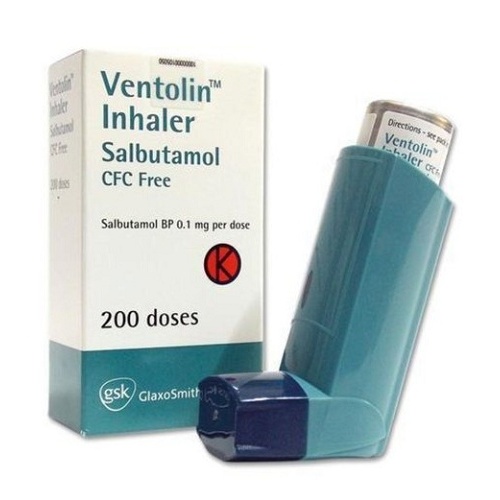
- Packaging: Genuine Ventolin Inhalers have crisp, high-quality print, FDA-mandated labeling, and a tamper-evident seal. U.S. products will list “albuterol sulfate” and NDC (National Drug Code) on the box.
- Device appearance: The mouthpiece is protected by a blue cap. The canister and actuator color should match the manufacturer’s specifications.
- Price: Extremely low prices are a common sign of counterfeit or diverted (unapproved) product.
- QR codes and barcodes: Many manufacturers now include scannable codes to verify authenticity.
- Pharmacy source: Only fill prescriptions at licensed U.S. pharmacies. Avoid “gray market” imports or purchases from international sellers that bypass FDA regulations.
What are generics? Generic albuterol inhalers have the same active ingredient, dose, and effectiveness as branded Ventolin Inhalers, but may use different inactive ingredients (excipients) and device designs.
- Advantages of generics:
- Lower cost, equivalent clinical effect, widely available in U.S. pharmacies, and FDA-approved for safety and efficacy.
- Disadvantages:
- Possible differences in taste, mouthfeel, or device familiarity. Rarely, allergies to specific excipients.
Bottom line: If cost is a concern, ask your doctor or pharmacist about FDA-approved generic albuterol inhalers.
Quality Check: What Does a Real Ventolin Inhaler Look Like?
- Color: U.S. Ventolin Inhalers have a blue (or blue and white) actuator and cap.
- Labeling: Each canister displays the drug name, strength (90 mcg per actuation), NDC number, and expiration date.
- Packaging: Sealed box with manufacturer’s logo (e.g., GlaxoSmithKline), FDA-approved labeling, and U.S. pharmacy sticker if dispensed.
- Device: Metered-dose canister with dose counter on newer models, blue cap, and smooth finish on the actuator.
- Security features: Some products include holograms, QR codes, or unique serial numbers. The packaging should not be damaged or altered.
If your inhaler looks suspicious, is missing a cap, or the labeling is unclear, consult your pharmacist or prescriber immediately.
What Should I Do in Case of Accidental Overdose?
- 1. Stop use immediately.
- 2. Call emergency services (911) in the United States.
- 3. Inform the medical professional of the exact amount used and time of administration.
- 4. Bring the inhaler (and packaging) to the emergency department.
Symptoms of overdose can include severe chest pain, rapid or irregular heartbeat, tremor, nervousness, headache, weakness, or fainting. Overdose may cause dangerous potassium shifts, leading to life-threatening arrhythmias.
Managing Asthma: Emotional Support and Next Steps
Asthma and breathing difficulties are common and manageable, but can cause anxiety—especially during flare-ups. It’s important to remember that effective treatment is available, and you’re not alone.
If asthma is affecting your mood, relationships, or daily functioning, consider speaking with your healthcare provider about additional support or counseling. Open discussion with your family or support network can also help reduce stress and improve your overall well-being.
Common Questions Answered by doctor
- How will I know if my Ventolin Inhaler is working as intended?
- Improvement in breathing, reduced wheezing, and less chest tightness within minutes are good indications. However, if you need to use it frequently or symptoms do not resolve, it may signal poor asthma control—contact your doctor promptly.
- Is it normal to feel shaky or have a fast heartbeat after using my inhaler?
- Mild shakiness and increased heart rate are common short-term side effects and usually resolve quickly. If these symptoms become severe or persistent, consult your physician for dose adjustment or alternative therapies.
- Should I use my Ventolin Inhaler every day even if I’m not having symptoms?
- No—Ventolin is a rescue inhaler, meant only for acute symptom relief or before known triggers. Daily use for symptoms suggests your asthma is not well controlled and may require a change in your maintenance therapy.
- How do I monitor my asthma control while using Ventolin?
- Your provider may recommend tracking symptoms, peak flow measurements, and how often you use your inhaler. Frequent need for Ventolin should prompt a review of your long-term therapy.
- Can I switch between different brands of albuterol inhalers?
- Yes, as long as the active ingredient and dosage are the same, but device technique may differ. Ask your pharmacist to demonstrate any new device to ensure proper usage.
- How should I clean and maintain my Ventolin Inhaler?
- Remove the canister, rinse the actuator under warm water once a week, and allow it to air dry completely before reassembly. Never immerse the canister itself in water.
- What should I do if my symptoms worsen after using Ventolin?
- If breathing difficulty continues or worsens, seek emergency medical care. Ongoing symptoms may require changes to your long-term asthma treatment.
doctor’s Clinical Assessment: Who Benefits Most from Ventolin Inhaler?
In my clinical practice, Ventolin Inhaler is most beneficial for patients who have intermittent asthma, exercise-induced bronchospasm, or predictable triggers (such as allergies or exposure to cold air). It offers rapid, reliable symptom relief for those with acute episodes. However, patients who find themselves reaching for their inhaler more than twice per week, or who experience nighttime symptoms, are unlikely to achieve good long-term control with Ventolin alone and should be evaluated for maintenance controller therapy (e.g., inhaled corticosteroids).
Individuals with significant cardiovascular disease, arrhythmias, or poorly controlled blood pressure are at higher risk for adverse effects, so alternative therapies or cautious use may be warranted. Pregnant women and older adults can generally use Ventolin, but close monitoring is essential. When frequent rescue inhaler use is noted, I always reassess the patient’s asthma management plan to minimize future exacerbations and improve overall quality of life.
FAQ: Quick Answers about Ventolin Inhaler in the U.S.
- Is Ventolin Inhaler available over the counter in the United States?
- No, it is prescription-only. A doctor’s evaluation and prescription are required.
- How quickly does Ventolin Inhaler start to work?
- It usually relieves symptoms within 3–5 minutes of inhalation.
- How long does the effect of Ventolin Inhaler last?
- The bronchodilation effect typically lasts 4–6 hours.
- What is the cost of Ventolin Inhaler in the United States?
- Prices range from $40–$65 per inhaler, but generic options are often less expensive and insurance may lower your out-of-pocket costs.
- What are the common side effects?
- Shakiness, rapid heartbeat, headache, nervousness, and throat irritation are most common and usually mild.
- Can I use Ventolin Inhaler if I’m pregnant?
- Only if prescribed by your doctor; the benefits should outweigh any potential risks.
- Are there generic versions of Ventolin Inhaler?
- Yes, several FDA-approved generic albuterol inhalers are available in the United States.
- Can Ventolin Inhaler be delivered to my home?
- Yes, many licensed U.S. pharmacies and telehealth services can deliver medications to your home after prescription validation.
- Do I need to use a spacer with Ventolin Inhaler?
- A spacer may improve drug delivery, especially for children or those having trouble coordinating inhalation. Ask your doctor or pharmacist.
- What should I do if I run out of Ventolin Inhaler?
- Contact your healthcare provider or pharmacy promptly for a new prescription. Do not attempt to obtain the medication from unregulated sources.
References
- FDA. Albuterol Sulfate Inhalation Aerosol Labeling. Accessed June 2026. https://www.fda.gov
- Mayo Clinic. Albuterol (Inhalation Route). Accessed June 2026. https://www.mayoclinic.org
- National Asthma Education and Prevention Program. Expert Panel Report 4: Guidelines for the Diagnosis and Management of Asthma. National Heart, Lung, and Blood Institute, NIH. Updated 2025. https://www.nhlbi.nih.gov
- PubMed. Salbutamol/Albuterol Pharmacology and Clinical Use (selected articles, 2023–2025). https://pubmed.ncbi.nlm.nih.gov
- National Association of Boards of Pharmacy. Safe Pharmacy Practices. Accessed June 2026. https://nabp.pharmacy
- GlaxoSmithKline. Ventolin HFA U.S. Product Information. Accessed June 2026. https://www.gsksource.com
- ClinicalTrials.gov. Albuterol/Salbutamol Studies (Current and Completed). Accessed June 2026. https://clinicaltrials.gov