

- Home/
- Buy Prednisolone Without Prescription in the United States Online
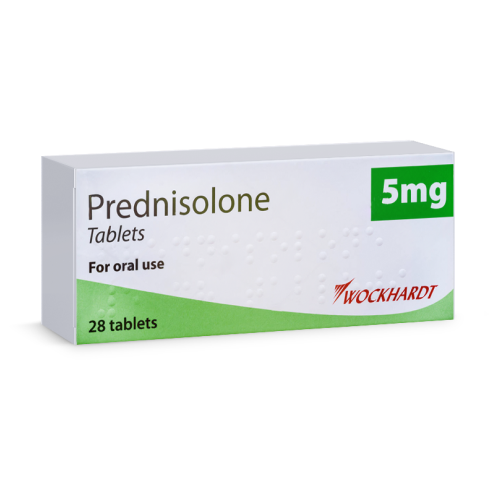
Prednisolone in the United States: A Comprehensive, Evidence-Based Guide for Safe and Effective Use in Inflammation Therapy
Can I Get Prednisolone Without a Prescription in the United States?
No, Prednisolone is legally classified as a prescription-only medication in the United States. Dispensing this drug without a valid prescription from a licensed healthcare provider is prohibited by the U.S. Food and Drug Administration (FDA) regulations.
Attempting to purchase Prednisolone without a prescription—whether online or in-person—risks receiving counterfeit or unsafe products and is not recommended.
Key Takeaways: Prednisolone at a Glance
| Characteristic | Details |
|---|---|
| Active Ingredient | Prednisolone |
| Drug Class | Glucocorticoid corticosteroid (anti-inflammatory, immunosuppressant) |
| Prescription Status (USA) | Prescription-only (Rx-only) |
| Primary Uses | Treats inflammation, allergic reactions, autoimmune conditions, asthma, and more |
| Cost | Varies; most generics are covered by insurance and Medicaid/Medicare |
| Absolute Contraindications | Systemic fungal infections, known hypersensitivity |
| Common Side Effects | Weight gain, mood changes, high blood sugar, increased infection risk |
| Onset of Action | Within hours (oral or IV); varies by condition and route |
Bottom line: Prednisolone is a prescription corticosteroid widely used in the USA for moderate to severe inflammation, but carries substantial risks if misused. Always consult your doctor before use.
How Does Prednisolone Work to Reduce Inflammation?
Prednisolone is a synthetic glucocorticoid, closely mimicking the action of natural cortisol produced by your adrenal glands. It primarily works by binding to cytoplasmic glucocorticoid receptors in cells throughout the body. Once activated, these receptors move to the cell nucleus and alter gene expression, leading to decreased production of pro-inflammatory cytokines (like IL-1, IL-6, and TNF-α), inhibition of leukocyte migration, and suppression of immune responses.
- Main pharmacological effect: Powerful anti-inflammatory and immunosuppressive action by blocking the synthesis of inflammatory mediators (prostaglandins, leukotrienes) and suppressing immune cell activity.
- Key targets: Enzymes such as phospholipase A2 and cyclooxygenase-2 (COX-2), and transcription factors like NF-κB.
- Additional actions: Stabilizes lysosomal membranes, reduces capillary permeability, and inhibits fibroblast proliferation.
For some diseases (e.g., severe asthma), Prednisolone can be life-saving, but it does not address the root causes—only the inflammatory consequences.
Myth vs Reality:
Myth: Prednisolone only affects inflammation in joints or skin.
Reality: Prednisolone modulates immune responses in virtually every organ system, which is why both benefits and side effects are so wide-ranging. (See sources)
What’s the Right Way to Take Prednisolone? Dosage, Timing, and Duration
Expert Commentary Mode
Prednisolone dosing is tailored to your specific diagnosis, age, weight, and other health factors. In the United States, recommendations generally follow guidelines from the American College of Rheumatology and other specialist societies. Always follow your prescriber’s exact instructions.
- Starting Dose
- Ranges from 5 mg to 60 mg per day, depending on severity and indication (e.g., rheumatoid arthritis vs. acute asthma exacerbation).
- Maximum Dose
- Varies by protocol; rarely exceeds 80–100 mg/day for short bursts. Chronic therapy aims for the lowest effective dose.
- Administration
- Usually taken orally in a single morning dose to mimic natural cortisol rhythms and reduce side effects. Some regimens split the daily dose or taper over weeks.
- Adjustments
- Elderly or renal/hepatic impairment: May require dose reduction and slower tapering.
Children: Special pediatric protocols must be followed. - Splitting Tablets
- Generic Prednisolone tablets can often be split (scored), but some modified-release or enteric-coated forms must not be split or crushed. Always confirm with your pharmacist.
- Duration
- Short courses (days–weeks) for acute inflammation; long-term therapy may last months or years, but carries higher risk of side effects.
Never stop Prednisolone abruptly after more than two weeks of use—tapering is essential to prevent adrenal crisis. Discuss any concerns with your prescriber.
Prednisolone and Lifestyle: Food, Alcohol, and Day-to-Day Considerations
| Product/Lifestyle Factor | Can It Be Combined? | Consequences |
|---|---|---|
| Fatty food | Yes, but not ideal | May delay absorption by 30–60 minutes, but does not significantly affect efficacy. |
| Milk/Dairy | Yes | No significant interaction. |
| Grapefruit juice | Best avoided | Can alter drug metabolism, potentially increasing side effects. |
| Alcohol | Not recommended | Increases risk of GI bleeding, ulcers, and mood changes. Occasional light consumption (<1 standard drink/day) may be tolerated, but only if approved by your prescriber. |
| NSAIDs (Aspirin, Ibuprofen) | Caution | Major risk for stomach ulcers/bleeds. Should only be combined on a doctor’s advice. |
| Vaccines (Live) | Generally not recommended | Impaired vaccine response; higher risk of infection with live vaccines. |
Prednisolone can be taken with or after food to reduce stomach upset. Consistency matters—try to take it at the same time each day. Avoid excessive salt, as this can worsen fluid retention caused by corticosteroids.
Who Should Not Take Prednisolone? Contraindications and Cautions
Question & Answer Mode
- Q: Are there any absolute contraindications to Prednisolone?
-
- Yes: Prednisolone must never be used in cases of systemic fungal infections or in patients with a known allergy to the drug or its excipients.
- Q: What are the relative (use with caution) contraindications?
-
- Active or latent tuberculosis (requires specialist supervision)
- Uncontrolled diabetes mellitus
- Severe hypertension
- Peptic ulcer disease
- Osteoporosis
- History of severe mental illness (especially psychosis or major depression)
- Herpes simplex or varicella infections (risk of severe disease)
- Q: Why is Prednisolone risky with certain conditions?
-
- Suppresses immune response, allowing latent infections (TB, herpes) to flare up.
- Raises blood pressure and blood sugar, complicating diabetes and hypertension management.
- Can worsen psychiatric symptoms due to effects on brain chemistry.
- Q: How soon after a heart attack or surgery can Prednisolone be used?
-
- Only under strict specialist supervision—Prednisolone may delay wound healing and increase infection risk.
What Side Effects Are Most Common With Prednisolone?
| Frequency | Side Effect | Mechanism/Comment |
|---|---|---|
| Very common (>10%) |
Weight gain (fluid/fat) | Increased appetite, fluid retention |
| Very common | Mood changes (anxiety, insomnia, irritability) | Corticosteroid effects on the CNS |
| Common (1–10%) |
High blood sugar (hyperglycemia) | Promotes gluconeogenesis, insulin resistance |
| Common | Hypertension (high BP) | Sodium/water retention, vascular effects |
| Common | Increased infection risk | Immunosuppression—reduced ability to fight bacteria/viruses |
| Rare (<1%) |
Adrenal suppression | HPA axis suppression; risk after abrupt cessation |
| Rare | Osteoporosis, fractures | Reduced bone formation, increased resorption |
| Very rare (<0.1%) |
Severe psychiatric reactions (mania, depression, psychosis) | Idiosyncratic CNS response |
| Very rare | Avascular necrosis (bone death) | Impaired blood supply to bone (hips most commonly) |
What to do if you experience side effects?
- Mild symptoms (e.g., sleep issues): Notify your doctor at your next visit.
- Serious symptoms (severe mood changes, infections, confusion, vision changes): Contact your healthcare provider immediately or visit an emergency department.
- Never stop Prednisolone suddenly if you’ve been on it for more than 2 weeks—risk of adrenal crisis.
Prednisolone vs. Alternatives: How Does It Stack Up?
| Feature | Prednisolone | Prednisone | Dexamethasone | Methylprednisolone |
|---|---|---|---|---|
| Onset of action | 2–4 hours (oral) | Similar; requires liver activation | 1–2 hours (oral/IV) | 1–2 hours (IV/oral) |
| Duration of effect | ~12–36 hours | ~12–36 hours | ~36–54 hours (longer) | ~18–40 hours |
| Anti-inflammatory potency | Moderate | Moderate (prodrug of Prednisolone) | High | High |
| Cost per 30 tablets (generic, USA 2026) | $6–$25 | $6–$20 | $12–$40 | $15–$35 |
| Notable side effects | Same as class | Same as class; requires liver activation | Greater risk of psychiatric, metabolic effects | Similar to prednisone/prednisolone |
| Prescription requirement | Yes (Rx-only) | Yes | Yes | Yes |
What it can do: All are effective corticosteroids; choice depends on clinical context, duration needed, and individual risk.
What it cannot do: None should be used for minor aches or self-diagnosed conditions—serious side effects are a class effect.
Prednisolone: Key Characteristics Table
| Molecular formula | C21H28O5 |
| Half-life (T1/2) | 2–4 hours (plasma); biological effect persists 12–36 hours |
| Metabolism | Primarily hepatic (CYP3A4 enzymes) |
| Excretion | Renal (urine), mainly as inactive metabolites |
| Available Forms (USA) | Tablets, oral liquid, ophthalmic drops/ointment, injection |
| Insurance Coverage | Commonly covered by Medicaid, Medicare, and most private insurers (check plan formulary) |
| FDA Black Box Warning | No Black Box as of 2026, but ongoing monitoring for serious adverse events |
How to Obtain Prednisolone Legally in the United States: Step-by-Step
- Consult a licensed healthcare provider.
You may schedule an appointment with a primary care physician, specialist (e.g., rheumatologist, allergist), or use a legitimate telemedicine provider. Telehealth is legal and common in most states; ensure your provider is licensed in your state. - Receive a diagnosis and prescription.
Prednisolone is prescribed only after a thorough evaluation. Your doctor will determine if corticosteroids are appropriate for your condition and explain the risks. - Use a legitimate pharmacy.
Take your prescription to a brick-and-mortar pharmacy (e.g., CVS, Walgreens, Rite Aid, local independent) or a verified online pharmacy. In the USA, look for VIPPS certification (National Association of Boards of Pharmacy). - Pick up or receive your medication.
Most insurance and Medicare plans cover generic Prednisolone. Provide insurance details at the pharmacy to check your copay/coverage. - Follow up for monitoring.
Schedule regular check-ins with your provider to assess side effects, dose adjustments, and long-term safety.
How to Spot Genuine Prednisolone vs. Counterfeits
- Packaging: Genuine U.S.-supplied Prednisolone comes in sealed, labeled bottles or blisters. Labels include the drug name, dosage, NDC number, manufacturer, and pharmacy dispensing information.
- Tablet appearance: Tablets are consistent in color, shape, and size within each bottle. Most have a scored line and may be engraved with a national code or logo.
- Verification tools: Many U.S. generics feature QR codes, holograms, or tamper-evident seals. Scan these with your pharmacy’s app or check with the manufacturer’s website.
- Price flag: If the price is much lower than at mainstream U.S. pharmacies, be suspicious. Counterfeit medications are a real threat when purchased from unregulated sources.
- Pharmacy credentials: Always check for VIPPS accreditation when using an online pharmacy: NABP VIPPS.
- Generics: U.S.-approved generics are regulated for purity and efficacy by the FDA. They use different inactive ingredients (excipients) but contain the same active drug.
What to Do in Case of Prednisolone Overdose
- Stop taking Prednisolone immediately.
- Contact emergency services: Call 911 or your local Poison Control Center at 1-800-222-1222 in the United States.
- Provide details: Inform responders of the dose, time, and amount taken. Bring the medication packaging with you if possible.
- Monitor symptoms: Watch for confusion, severe hypertension, seizures, muscle weakness, or sudden behavioral changes—these require urgent care.
Prednisolone in Special Patient Groups
- Elderly: Higher risk of osteoporosis, delirium, and muscle loss. Doses may need to be reduced, and bone-protective strategies (calcium/vitamin D) are recommended.
- Children: May impair growth with long-term use. Pediatric endocrinology oversight is essential for chronic therapy.
- Pregnancy: Short courses for severe disease are sometimes used, but long-term use can affect fetal growth. Discuss risks/benefits with your OB-GYN.
- Liver/kidney disease: Prednisolone is preferred over prednisone in patients with significant liver dysfunction, as it does not require activation. Dosing adjustments may be necessary for severe kidney impairment.
- Diabetes: Prednisolone can worsen blood sugar control. Frequent monitoring and medication adjustment may be required.
- Driving/machinery: No direct impairment, but rare psychiatric or vision side effects may affect ability. If dizziness, confusion, or blurred vision occur, do not drive.
Original vs. Generic Prednisolone: Is There a Difference?
Both brand-name and generic Prednisolone products contain the same active ingredient and must meet FDA standards for bioequivalence in the United States.
- Generics: Made by multiple manufacturers (e.g., Teva, Mylan, Sandoz). Contain the same active drug, but inactive ingredients (binders, coloring agents) may vary, potentially affecting tolerability in rare cases of excipient allergy.
- Original brands: Rarely prescribed in the U.S. due to higher cost and no proven superiority over generics.
- Myth vs Reality: Myth: Generics are less effective. Reality: FDA-mandated studies prove that approved generics deliver equivalent clinical effects and safety (see FDA guidance).
In summary: Choose U.S.-approved generics unless you have a documented allergy to a specific excipient.
Frequently Asked Questions About Prednisolone in the United States
- Is Prednisolone safe to take every day?
- Only if prescribed by your doctor for a specific condition. Long-term daily use increases the risk of serious side effects—regular monitoring is essential.
- What’s the difference between Prednisone and Prednisolone?
- Prednisone is a prodrug converted to Prednisolone in the liver. Prednisolone is preferred in patients with liver impairment.
- Can I drink alcohol while taking Prednisolone?
- Alcohol is not recommended as it increases the risk of gastrointestinal bleeding and mood disturbances.
- How long does it take for Prednisolone to work?
- Anti-inflammatory effects begin within hours, but full benefits may take several days depending on your condition.
- Will Prednisolone affect my blood sugar?
- Yes, it can cause high blood sugar, especially in people with diabetes or prediabetes. Monitoring is important.
- Can I use over-the-counter Prednisolone cream for skin rashes?
- In the U.S., topical corticosteroids are usually hydrocortisone, not Prednisolone, and are available in lower strengths. Oral or high-potency corticosteroids like Prednisolone require a prescription.
- What if I miss a dose?
- Take the missed dose as soon as you remember, unless it’s almost time for your next dose. Do not double up doses.
- Is it safe to stop Prednisolone suddenly?
- No. Stopping abruptly after more than two weeks can cause adrenal insufficiency. Always taper under medical supervision.
References
- U.S. Food and Drug Administration (FDA). Prednisolone Drug Information. Accessed June 2026. FDA Prednisolone Overview
- American College of Rheumatology. 2023 Guideline for the Treatment of Rheumatic Diseases with Glucocorticoids. ACR Guidelines
- National Institutes of Health. Prednisolone: MedlinePlus Drug Information. Accessed June 2026. MedlinePlus: Prednisolone
- National Association of Boards of Pharmacy (NABP) VIPPS Accredited Pharmacies. NABP VIPPS
- FDA Orange Book: Approved Drug Products. FDA Orange Book
- U.S. National Library of Medicine. Prednisolone: LiverTox Database. Accessed June 2026. LiverTox: Prednisolone
- PubMed: Recent Clinical Trials on Prednisolone (2022–2025). PubMed: Prednisolone Clinical Trials