

- Home/
- Buy Glucophage at Low Price in the United States Online
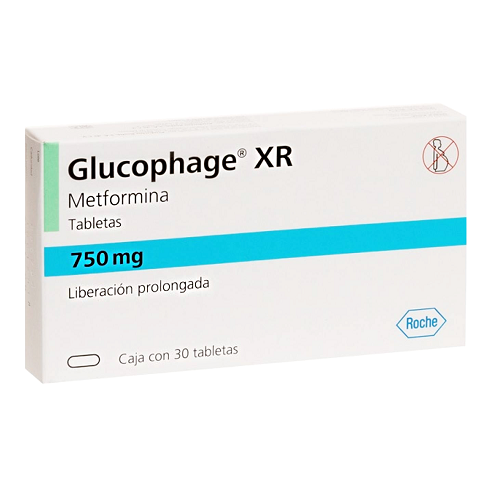
Can Glucophage (Metformin) Be Obtained Without a Prescription in the United States?
Glucophage (metformin) cannot be obtained legally without a prescription in the United States. It is a prescription-only medication as regulated by the U.S. Food and Drug Administration (FDA). Over-the-counter sales are not permitted.
Key Takeaways: What You Must Know About Glucophage in the US
- Glucophage is most appropriate for adults with type 2 diabetes who need to control their blood sugar and have not achieved adequate results with lifestyle changes alone.
- It typically takes several days to weeks to notice improvement in blood glucose levels; maximum effect is usually seen after a few weeks of regular use.
- A prescription from a licensed healthcare provider is legally required to obtain Glucophage in the United States.
- The most important safety concern is the risk of rare but serious lactic acidosis, especially in those with kidney, liver, or heart disease.
- Seek immediate medical advice if you develop unexplained fatigue, trouble breathing, abdominal pain, or muscle aches while taking Glucophage.
- Glucophage can help lower blood sugar, but ongoing diet and lifestyle management remain essential for best outcomes.
How Does Glucophage Work in the Body?
Glucophage contains metformin hydrochloride as its active ingredient. Its primary effect is to lower elevated blood glucose in people with type 2 diabetes, but it does so through multiple mechanisms. Metformin primarily acts by:
- Inhibiting hepatic gluconeogenesis: Metformin suppresses the liver’s production of glucose (gluconeogenesis) by activating the enzyme AMP-activated protein kinase (AMPK) [PubMed].
- Increasing insulin sensitivity: It enhances insulin sensitivity in muscle and fat tissue, promoting increased glucose uptake from the blood into cells.
- Decreasing intestinal absorption of glucose: Metformin slightly reduces the absorption of glucose from the gastrointestinal tract.
On the cellular level, metformin interferes with mitochondrial respiratory-chain complex 1, leading to a reduction in ATP production and a compensatory increase in AMPK activity. This results in decreased synthesis of glucose in the liver and increased utilization of glucose in muscles.
Simplified metaphor: Imagine your liver as a factory that constantly releases new sugar into the blood. Metformin tells the factory to slow down, while also encouraging your muscle “workers” to take more sugar out of circulation. The end result: lower, steadier blood sugar levels.
Metformin does not stimulate insulin production and does not cause hypoglycemia (dangerously low blood sugar) when used alone.
Does Glucophage require specific conditions to work? For Glucophage to be effective, patients must have some endogenous insulin production. It is ineffective in type 1 diabetes and should not be used for individuals with absent pancreatic function.
Myth: Glucophage lowers blood sugar instantly.
Reality: It requires regular use, and blood sugar control improves over days to weeks, not immediately after the first dose.
“Expecting Quick Wins: What Patients Get Wrong About Glucophage”
As a physician, I often see patients expect rapid, dramatic changes in their blood sugar after starting Glucophage. In reality, metformin’s effects are gradual; most people require several weeks before they see their A1c levels start to drop. Patients sometimes judge success or failure based on a few daily fingerstick readings, not realizing that consistency over time is what matters. Another challenge I observe is the expectation that medication alone will “fix” diabetes. Many overlook the need for ongoing dietary and activity changes, expecting the pill to do all the work. Few ask about monitoring kidney or liver function, even though these are critical for safety. Some patients are surprised when stomach upset occurs early on, not realizing this is common and often lessens over time. Understanding these realities can help align expectations and reduce frustration.
How Should Glucophage Be Taken? Dosage and Administration in the US
In the United States, Glucophage is available in immediate-release and extended-release formulations. All dosing must be individualized by your healthcare provider, based on your blood glucose levels, kidney function, and tolerance.
- Starting dose (adults): Usually 500 mg once or twice daily (immediate-release) with meals to reduce gastrointestinal upset.
- Extended-release (XR): Often started at 500 mg once daily with the evening meal; titrated as advised by your doctor.
- Maximum daily dose: 2,000–2,500 mg per day (varies by formulation and patient profile). Exceeding this increases risk of side effects and does not further improve glucose control.
- Tablet splitting: Standard immediate-release tablets may be split if scored. Extended-release tablets must not be split, crushed, or chewed.
Your doctor may increase your dose in increments of 500 mg every 1-2 weeks, as tolerated. Dose adjustments are essential in elderly patients and those with renal impairment. Dosing is usually reduced or stopped if kidney function (eGFR) falls below 30 mL/min/1.73m².
Peak effect: Blood glucose reduction is noticeable within days, but full effect may take 1–2 weeks. A1c reduction is typically assessed at 3 months.
How long does it last? Metformin has a half-life of approximately 6–7 hours (immediate-release), and 17 hours (extended-release)—allowing for once or twice daily administration.
Glucophage, Food, Alcohol, and Lifestyle: What You Need to Know
- Take with meals: Always take Glucophage with or after food to reduce stomach upset.
- High-fat meals: Fatty meals may delay absorption by up to 30 minutes, but do not significantly affect the total amount absorbed.
- Alcohol: Chronic or excessive alcohol intake (more than 2 standard drinks per day for men, 1 per day for women) significantly increases the risk of lactic acidosis—a potentially fatal complication. Strict limitation or avoidance is recommended while taking Glucophage.
- Grapefruit juice: There is no clinically significant interaction between metformin and grapefruit juice, unlike some other diabetes medications.
- Activity and diet: Regular exercise and adherence to a balanced diet remain critical; Glucophage is not a substitute for healthy living.
Myth: “It’s okay to skip meals because Glucophage prevents low blood sugar.”
Reality: While Glucophage alone rarely causes hypoglycemia, skipping meals can worsen blood sugar control and increase risk if combined with other medications.
Who Must Not Take Glucophage? Contraindications and Warnings
- Absolute contraindications (never use):
-
- Severe kidney impairment: eGFR < 30 mL/min/1.73m² (risk of lactic acidosis).
- Severe liver disease: Increases lactic acidosis risk.
- Acute or chronic metabolic acidosis: (including diabetic ketoacidosis).
- History of lactic acidosis with metformin use.
- Alcoholism or acute intoxication (increased risk of lactic acidosis).
- Unstable or acute heart failure requiring hospitalization.
- Severe infection, dehydration, or shock.
- Acute myocardial infarction (heart attack); therapy may be considered only after stabilization and medical review.
- Relative contraindications (use with caution):
-
- Moderate renal impairment (eGFR 30–45 mL/min/1.73m²): may require dose reduction or discontinuation.
- People aged >80 years: often require lower doses and close kidney function monitoring.
- Recent administration of iodinated contrast media (for CT scans or angiograms): metformin should be withheld before and after the procedure due to increased risk of kidney damage and lactic acidosis.
- Severe gastrointestinal disease or malnutrition.
Why these risks? Metformin is eliminated by the kidneys. Impaired kidney or liver function can cause dangerous accumulation of the drug and lead to lactic acidosis, a medical emergency with high mortality if untreated.
What Side Effects Are Most Common with Glucophage?
- Very common (>1 in 10):
-
- Gastrointestinal symptoms: Nausea, diarrhea, abdominal discomfort, metallic taste. Usually subside over time, especially if dosing is increased slowly.
- Common (1 in 100 to 1 in 10):
-
- Loss of appetite
- Mild weight loss
- Flatulence
- Rare (1 in 10,000):
-
- Lactic acidosis: Medical emergency: symptoms include deep/rapid breathing, confusion, severe fatigue, muscle pain. Immediate medical attention is required.
- Very rare (<1 in 10,000):
-
- Skin reactions: Rash, redness, itching
- Liver enzyme elevation or hepatitis
- Vitamin B12 deficiency, especially with long-term use—may cause anemia or neuropathy
What to do if you experience side effects? Most mild digestive side effects resolve over time. If you notice persistent vomiting, severe diarrhea, muscle cramps, confusion, abdominal pain, or unexplained fatigue, stop Glucophage and seek medical attention immediately.
Real-World Pitfalls: Common Mistakes People Make with Glucophage
-
Starting at too high a dose:
Patients sometimes believe a higher dose will work faster. This often leads to severe stomach upset and discontinuation. Always follow your doctor’s titration schedule to reduce digestive side effects. -
Taking Glucophage on an empty stomach:
This increases the risk of nausea and diarrhea. Take the tablet with meals, not before or after. -
Stopping medication abruptly when feeling better:
Blood sugar may rise again, increasing complication risk. Never stop medication without your doctor’s advice. -
Skipping regular kidney and liver monitoring:
Metformin can accumulate in those with impaired organ function. Attend all scheduled lab tests. -
Ignoring symptoms of lactic acidosis:
Mild symptoms can be mistaken for flu or fatigue. Always report unexplained tiredness, abdominal discomfort, or rapid breathing to a healthcare provider. -
Using metformin for weight loss without diabetes:
This is not an FDA-approved use and can be unsafe without proper medical supervision.
Glucophage vs. Alternatives: How Does It Compare?
Glucophage (metformin) is the most widely prescribed first-line oral medication for type 2 diabetes in the United States. However, other classes of drugs are available and may be used alone or in combination.
| Medication | Active Ingredient | Typical Dose | Onset Speed | Duration | Common Side Effects | Cost per Month (USD) |
|---|---|---|---|---|---|---|
| Glucophage | Metformin | 500–2,000 mg/day | Days–Weeks | 12–24h | GI upset, rare lactic acidosis | $8–$25 (generic), $120+ (brand) |
| Januvia | Sitagliptin | 100 mg/day | Days | 24h | Upper respiratory symptoms, headache | $430–$500 |
| Glipizide | Glipizide | 2.5–40 mg/day | Hours | 12–24h | Hypoglycemia, weight gain | $10–$25 |
| Farxiga | Dapagliflozin | 5–10 mg/day | Days | 24h | Urinary infections, dehydration | $500–$600 |
Summary: Glucophage offers the best balance of efficacy, safety, and affordability for most newly diagnosed adults with type 2 diabetes. Some alternatives work faster but may carry risks such as hypoglycemia or be significantly more expensive. Insurance coverage varies widely—check your plan for details.
Glucophage: Technical and Practical Information
| Parameter | Value |
|---|---|
| Active Ingredient | Metformin hydrochloride |
| Available Strengths | 500 mg, 850 mg, 1,000 mg (immediate- and extended-release) |
| Formulations | Tablet (IR, XR) |
| Typical Dosing Frequency | Once or twice daily |
| Half-life | 6–7h (IR), 17h (XR) |
| Storage Requirements | Room temperature, dry place |
Glucophage Compatibility with Other Medications and Substances
| Product Type | Can It Be Combined? | Consequences |
|---|---|---|
| Insulin | Yes (with monitoring) | May increase risk of low blood sugar; adjust insulin dose as directed |
| Alcohol | Not recommended | Increases risk of lactic acidosis and liver stress |
| Contrast Dye (for imaging) | No (temporarily) | Increased risk of kidney damage/lactic acidosis—stop metformin before and after procedure |
| Grapefruit Juice | Yes | No significant interaction |
| NSAIDs (e.g., ibuprofen) | Yes (with caution) | Monitor kidney function |
How to Get Glucophage in the United States: Step-by-Step Guide
-
Consultation:
Schedule an appointment with a primary care provider, endocrinologist, or qualified telemedicine service. Discuss your symptoms, medical history, and previous treatments. -
Medical Evaluation:
Your doctor will assess your blood sugar, kidney, and liver function. Lab work (A1c, creatinine, etc.) is usually required. -
Prescription Issued:
If appropriate, the doctor issues a prescription (paper or electronic) for Glucophage or a generic equivalent. -
Pharmacy Fulfillment:
Take your prescription to a licensed pharmacy (retail or mail-order). Pharmacists will verify your prescription and dispense your medication. -
Insurance and Cost:
Most insurance plans and Medicare Part D cover metformin/generic Glucophage. Co-pays vary; uninsured patients may find $4–$10/month programs at major chain pharmacies. -
Follow-Up:
Attend all recommended follow-ups for dose adjustment and monitoring.
Staying Safe: Identifying Legitimate Online Pharmacies in the US
- Look for VIPPS accreditation: The National Association of Boards of Pharmacy (NABP) verifies legitimate US online pharmacies through the VIPPS (Verified Internet Pharmacy Practice Sites) program. Check VIPPS here.
- Check for state licensing: Legitimate sites display their state pharmacy license number and offer pharmacist consultation.
- Require a prescription: Any site that offers Glucophage without a valid prescription is operating illegally and risks selling counterfeit medications.
- Be wary of prices far below market rate: Extremely low prices are a warning sign of counterfeit or substandard products.
- Never use sites with no US address or phone number: Unregulated international sites may ship unsafe or unapproved products and cannot guarantee quality or legal protection.
- Consumer protection: Only buy from licensed US pharmacies to ensure quality, proper storage, and recourse for defective products.
How to Identify Counterfeit or Non-Equivalent Glucophage/Metformin
- Original packaging: US-sold Glucophage comes in blister packs or bottles with the manufacturer’s name (e.g., Bristol-Myers Squibb, generic manufacturers), lot number, and NDC (National Drug Code) on the label.
- Pill appearance: Tablets are typically white, oval or round, with dosage and manufacturer markings clearly engraved or printed. No uneven edges or faded print.
- Holograms and safety seals: Some manufacturers include holographic seals or QR codes on packaging for authenticity checking.
- Suspiciously low prices: Glucophage offered at prices far below US retail (e.g., less than $4–$5/month) may be counterfeit or imported from unregulated sources.
- Difference between original and generic: In the US, approved generics contain the same active ingredient, strength, and are FDA-inspected for quality. Inactive ingredients (fillers, coloring agents, binders) may differ, potentially causing allergies in rare cases. Generics are often much less expensive, with no loss of efficacy.
- What are generics? Generic metformin is FDA-approved, widely available, and considered equivalent in clinical effect to brand-name Glucophage.
If in doubt, consult your pharmacist before using any medication with unclear origin.
Psychological and Emotional Support for Diabetes Management
Type 2 diabetes is a common, manageable condition. Many people feel overwhelmed at diagnosis, but it’s important to remember that effective management is possible with the right plan. If you’re struggling, consider joining a support group, speaking with a diabetes educator, or discussing concerns with your healthcare provider. You are not alone—support is available.
What to Do in Case of Glucophage Overdose?
- Stop taking Glucophage immediately.
- Contact emergency services (call 911) or go to the nearest emergency room.
- Provide details of the dose and time taken to the medical team.
- Do not attempt to induce vomiting unless instructed by medical professionals.
- Bring the medication packaging with you, if possible.
Overdose can cause lactic acidosis, which is a medical emergency.
Special Populations: Who Needs Extra Caution?
- Chronic kidney disease: Risk of drug accumulation and lactic acidosis is increased. Use is contraindicated if eGFR <30 mL/min/1.73m².
- Liver impairment: Metformin is not recommended in moderate to severe liver disease.
- Older adults (>80 years): Use with caution, frequent kidney monitoring required.
- Pregnancy and breastfeeding: Metformin is sometimes used in pregnancy for certain situations but only under specialist supervision. It is present in breastmilk in small amounts—speak with your provider.
- Effect on driving: Glucophage alone does not usually cause hypoglycemia and does not impair driving. However, caution if combined with other agents.
- Fertility: No evidence of negative effects on fertility; may be used in certain women with polycystic ovary syndrome (PCOS) under medical supervision.
Original Glucophage vs. Generics: What’s the Difference?
- Original product: Brand-name Glucophage (Bristol-Myers Squibb) is more expensive, with no proven clinical advantage over FDA-approved generics.
- Generics: Contain the same active ingredient, dose, and are held to the same US FDA standards for efficacy, safety, and manufacturing quality. Inactive ingredients may vary, which rarely cause allergic reactions.
- Cost: Generics are often 10–20x less expensive in US retail pharmacies.
- Why switch? Most patients do not notice any difference in glucose control or side effects when switching from brand-name to generic metformin.
Quality Check: How Should Genuine Glucophage Look?
- Tablet shape: White, oval or round, with a clear imprint for dose and manufacturer.
- Packaging: US-standard bottle or blister pack with NDC code, manufacturer, lot, and expiration date.
- Seals: Bottle may come with a tamper-evident seal or shrink wrap.
- Check for QR codes or holograms: Some brands include these for authenticity verification.
- When in doubt: Consult your pharmacist if anything about the medication or packaging looks unusual.
Questions Patients Most Often Ask doctor
- How long after starting Glucophage should I expect to see my blood sugar improve?
- I typically tell patients that you may notice lower blood sugar readings within the first week, but the maximum effect on your A1c (long-term control) is usually seen after about 3 months of consistent use. Patience is key—stick with your prescribed plan.
- If I miss a dose, should I double up on the next one?
- No, you should never double up doses. If you miss a dose, take it as soon as you remember, unless it’s almost time for your next scheduled dose. Doubling can increase side effects but won’t improve control.
- Is it safe to combine Glucophage with other diabetes medications?
- Yes, metformin is often combined with other diabetes drugs, including insulin. However, you’ll need closer monitoring to avoid low blood sugar, especially with insulin or sulfonylureas. Always follow your doctor’s instructions and report any symptoms.
- How often do I need blood tests while taking Glucophage?
- At minimum, I recommend checking your kidney and liver function once or twice a year, or more often if you have existing issues. Your A1c should be checked every 3–6 months to track glucose control.
- Will Glucophage help me lose weight?
- Some patients experience mild weight loss, but Glucophage is not a weight-loss drug. Any reduction is usually due to improved metabolism and dietary changes. For meaningful weight loss, combine medication with physical activity and a balanced diet.
- Is there a risk that Glucophage will harm my kidneys?
- Glucophage does not harm the kidneys when used correctly. In fact, kidney function must be healthy to safely use this medication. Problems occur only if it is used despite significant kidney impairment.
- What if I experience stomach upset when starting Glucophage?
- This is a common side effect at the beginning. It usually gets better within a week or two. Taking the medication with meals and starting at a low dose helps. If it doesn’t improve, let your provider know—an extended-release formulation may help.
- Can I drink alcohol while using Glucophage?
- I advise minimizing or avoiding alcohol, as it increases the risk of lactic acidosis. If you do drink, keep to no more than a single standard drink, and never binge drink while on this medication.
Clinical Assessment by doctor
In my clinical experience, Glucophage (metformin) remains the foundational therapy for most adults with type 2 diabetes, except those with advanced kidney, liver, or severe cardiac disease. It is particularly well-suited to patients who are overweight or obese, as it does not generally cause weight gain and may help reduce appetite slightly. Those with mild to moderate hyperglycemia, stable renal function, and a willingness to engage in lifestyle changes are excellent candidates. Conversely, I am more cautious in older adults who may have decreased renal reserve, and in those with advanced heart failure or heavy alcohol use, as their risk of lactic acidosis is increased. Patients with gastrointestinal intolerance to metformin may benefit from extended-release formulations or alternative therapies. Alternatives may be preferable for those seeking more potent weight loss or cardiovascular benefit, or those who cannot tolerate even low-dose metformin. Ultimately, the decision to start or continue Glucophage should be individualized, weighing the proven benefits in blood sugar control and cardiovascular outcomes against rare but serious risks. Regular monitoring and patient education are essential.
FAQ About Glucophage in the United States
- Is Glucophage available over-the-counter in the US?
- No, Glucophage (metformin) is a prescription-only medication in the United States. It cannot be legally purchased without a prescription from a licensed provider.
- How much does Glucophage cost?
- Generic metformin is widely available and can cost as little as $4–$10 per month at major pharmacies. Brand-name Glucophage is significantly more expensive, often over $100 per month without insurance.
- What is the difference between Glucophage and metformin?
- Glucophage is a brand name for metformin. Generic metformin contains the same active ingredient, dosage, and is equally effective as the brand-name product.
- How quickly does Glucophage start working?
- You may notice lower blood sugar within a few days, but the full glucose-lowering effect is typically reached after one to two weeks of use. Long-term benefits are assessed by A1c after about three months.
- Can I use Glucophage for weight loss if I don’t have diabetes?
- No. Glucophage is not FDA-approved for weight loss in people without diabetes and should not be used for this purpose without medical supervision.
- What should I do if I develop severe stomach pain or trouble breathing while on Glucophage?
- Stop taking the medication and seek immediate medical attention, as these may be signs of lactic acidosis—a rare but life-threatening complication.
- Is Glucophage safe for pregnancy or breastfeeding?
- Metformin can sometimes be used in pregnancy, but only under specialist guidance. Small amounts are excreted in breast milk; discuss risks and benefits with your provider.
- Can Glucophage be combined with insulin?
- Yes, metformin is often combined with insulin in type 2 diabetes to improve blood sugar control, but requires careful monitoring.
- Does Glucophage cause low blood sugar?
- When used alone, Glucophage rarely causes hypoglycemia. The risk increases if combined with insulin or certain oral diabetes medicines.
- How should Glucophage be stored?
- Store at room temperature, away from heat and moisture. Keep in original packaging until use.
References
- U.S. Food & Drug Administration (FDA), Glucophage (metformin) Prescribing Information, Accessed Jun 2026. FDA
- Inzucchi SE, et al. “Management of Hyperglycemia in Type 2 Diabetes, 2024 ADA/EASD Consensus Report.” Diabetes Care. 2024. ADA Diabetes Care
- Rena G, et al. “Molecular mechanism of action of metformin: old or new insights?” Diabetologia. 2024. PubMed
- National Institutes of Health, MedlinePlus: Metformin. MedlinePlus
- National Association of Boards of Pharmacy (NABP), VIPPS Accredited Pharmacies. NABP
- Mayo Clinic, “Metformin (Oral Route) Side Effects,” Accessed Jun 2026. Mayo Clinic
- American Diabetes Association, Standards of Medical Care in Diabetes—2026. ADA
- ClinicalTrials.gov, “Metformin Safety and Efficacy Studies”, Accessed Jun 2026. ClinicalTrials.gov