

- Home/
- Buy Priligy Online in the United States – Fast Delivery Available
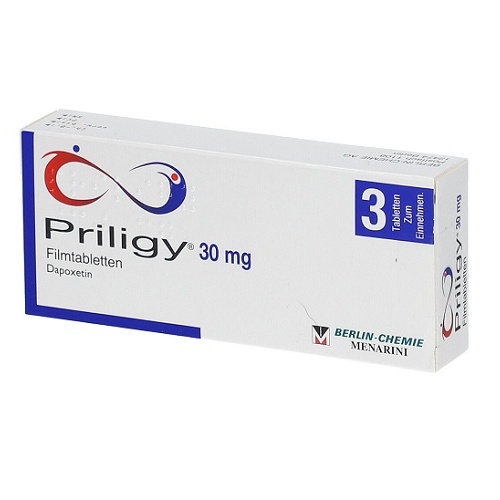
| Brand Name | Priligy |
|---|---|
| Main Substance | Dapoxetine |
| Purpose | Treatment of premature ejaculation in adult men |
| Forms Available | 30 mg, 60 mg oral tablets |
| How Fast It Works | Begins to act within 1–2 hours after ingestion |
| Length of Benefit | Effects last 4–6 hours |
| Use Pattern | Single dose as needed, not for daily use |
| Prescription Status in U.S. | Prescription required (FDA approved) |
| Estimated Retail Cost | $25–$45 per tablet (varies by pharmacy and dosage) |
Priligy for Premature Ejaculation: Your Pathway in the United States
Priligy is a prescription medication specifically designed to address premature ejaculation in men and is lawfully available in the United States. It contains dapoxetine as its active agent and is intended for those looking for a targeted, on-demand solution to improve control over ejaculation and sexual satisfaction.
Premature Ejaculation: More Common and Addressable Than You Think
Feeling frustrated or isolated because of premature ejaculation is a natural response, but this condition is, in fact, one of the most frequent sexual health concerns among men. According to the American Urological Association (AUA), approximately 1 in 3 men in the United States will experience this issue at some point in their lives (AUA, 2022). The World Health Organization (WHO, 2021) also recognizes premature ejaculation as a significant male sexual dysfunction globally. Despite its prevalence, many men hesitate to seek help—often delaying effective treatment. Importantly, premature ejaculation is both diagnosable and treatable, and you are not alone in facing this challenge.
How Priligy Targets Premature Ejaculation: From Brain Chemistry to Real-Life Results
Dapoxetine, the key ingredient in Priligy, works by influencing the way serotonin—a chemical messenger in your brain—controls ejaculation. Normally, serotonin helps delay ejaculation by modulating signals between nerves. In men with premature ejaculation, this signaling is too rapid, leading to reduced control. Priligy temporarily increases serotonin’s activity in the nervous system, which strengthens the natural ‘braking’ mechanism on ejaculation.
- Physiological Mechanism: Priligy inhibits the reuptake of serotonin, meaning higher levels remain active in the synapses between nerve cells for longer, resulting in improved regulation of the ejaculation reflex.
- Practical Consequence: Most men find it not only extends the time to ejaculation but also enhances their sense of control and satisfaction during sexual activity, often after the very first dose.
- Typical User Experience: You take Priligy one to three hours before anticipated sexual activity, and its effect lasts several hours, aligning with real-life needs for spontaneity and reliability.
In clinical studies submitted to the FDA, between 50% and 70% of men using dapoxetine (Priligy) reported a significant improvement in control and satisfaction compared to placebo (FDA, 2019). This mechanism is unique to dapoxetine, which is the only selective serotonin reuptake inhibitor (SSRI) approved specifically and exclusively for on-demand use in premature ejaculation.
Is Priligy Right for You? Recognizable Scenarios for Choosing or Avoiding Treatment
| Situation | Recommended Option | Reasoning |
|---|---|---|
| You consistently ejaculate within one to two minutes of penetration and feel distressed or dissatisfied | Priligy 30 mg starting dose | This matches the typical clinical profile for Priligy; starting at 30 mg balances efficacy and safety. |
| You have previously tried behavioral techniques or counseling without improvement | Priligy, consider 60 mg if 30 mg was insufficient and well tolerated | Escalation to 60 mg is FDA-approved for those who do not achieve adequate response at 30 mg and do not experience problematic side effects. |
| You have a history of fainting (syncope), significant heart problems, or take certain antidepressants | Do NOT use Priligy | There are increased risks of serious adverse effects; an alternative approach is required. |
| Your premature ejaculation is situational (only with certain partners or under stress) | Consider non-drug approaches first | Because Priligy is most effective for lifelong or regular premature ejaculation, not occasional or stress-related cases. |
| You are seeking a daily pill or a permanent cure | Priligy is NOT suitable | It is a short-acting, on-demand medication; daily use is neither necessary nor recommended. |
If you recognize your own situation above, this can quickly clarify if Priligy is likely to be a practical and safe fit. If still uncertain, a discussion with a healthcare provider is warranted—they can assess your full health background in light of these criteria.
Practical Use: Timing, Food, Missed Doses, and What Happens If It Doesn’t Work
- When to take: Swallow the tablet whole with a full glass of water 1–3 hours before sexual activity. Not intended for daily use—only when needed.
- With or without food: Priligy can be taken with or without food. Heavy meals may delay the onset slightly but do not affect overall absorption.
- Missed a dose: Since Priligy is not taken regularly, missing a dose typically means skipping until next planned intercourse. Never take more than one tablet in 24 hours to “make up.”
- If it did not work: If you don’t see improvement after several separate occasions (at least two or three attempts), consult your doctor before increasing the dose or continuing use. Do not double the dose on your own.
- Normal vs. concerning: Mild nausea, headache, or dizziness may occur, usually resolving on their own. If you feel faint, notice irregular heartbeat, or experience severe reactions, stop use and seek medical attention.
Staying hydrated is important. Avoid alcohol, as it increases the risk of side effects such as fainting. After taking Priligy, some men feel lightheaded—do not drive or operate heavy machinery until you know how it affects you personally.
Who Should Not Take Priligy: Specific Contraindications Explained
- Significant heart problems: Priligy is not suitable if you have heart failure, conduction disorders, or a history of fainting because it can lower blood pressure and trigger syncope.
- Current use of monoamine oxidase inhibitors (MAOIs) or thioridazine: Combining these medications with Priligy can cause dangerous changes in heart rhythm and blood pressure.
- Liver impairment: Moderate to severe liver disease prevents safe breakdown of dapoxetine, raising risk of toxicity.
- Under age 18: Safety and effectiveness are not established in younger males.
- Known allergy to dapoxetine or any component of the tablet: Risk of severe allergic reaction.
Let your healthcare provider know if you have any neurological, psychiatric, or cardiovascular conditions—even if controlled. They can help you weigh the risks and consider safer alternatives if needed.
Side Effects: What to Expect and When to Seek Help
- Common, usually mild (affecting up to 1 in 4): Nausea, dizziness, headache, diarrhea, insomnia. These often resolve within a few hours.
- Less common (affecting up to 1 in 100): Blurred vision, anxiety, restlessness, excessive sweating.
- Rare but serious: Severe dizziness, fainting (especially when standing up), irregular heartbeat, mood changes, or allergic reactions (rash, swelling, difficulty breathing). If you experience loss of consciousness, chest pain, or severe allergic symptoms, call 911 immediately for emergency assistance in the United States.
The majority of side effects are self-limiting and do not require stopping the medication. If you feel faint, lie down immediately and seek medical help if symptoms persist. Always inform your doctor about any unexpected or severe reactions.
Potential Drug Interactions: What to Avoid When Using Priligy
Dapoxetine interacts with several medications that can affect its safety or effectiveness:
- Other antidepressants: Especially SSRIs, SNRIs, MAOIs—risk of serotonin syndrome, which can be life-threatening.
- Thioridazine: May cause serious heart rhythm abnormalities when combined.
- Certain antifungals and antibiotics: Such as ketoconazole or erythromycin, which slow dapoxetine breakdown and increase its blood levels.
- Drugs that affect blood pressure or cause drowsiness: Risk of additive side effects (e.g., sedatives, opioids, benzodiazepines).
- Alcohol: Increases risk of side effects such as fainting and impaired judgment.
To minimize risk, always share a complete list of your medications and supplements with your healthcare provider before starting Priligy. If you are unsure about a particular combination, consult your pharmacist or physician first.
How Does Priligy Compare? Alternatives and Honest Limitations
| Option | Strengths | Limitations | Best For |
|---|---|---|---|
| Priligy (Dapoxetine) | Fast-acting; on-demand use; only SSRI approved specifically for premature ejaculation; well-studied | Prescription needed; not effective for all men; side effects (nausea, dizziness); not for daily use | Men needing flexible, event-based control |
| Off-label SSRIs (e.g., paroxetine, sertraline) | May be effective; can be taken daily | Not FDA approved for this purpose; more side effects from daily use; delayed onset (weeks) | Men with comorbid anxiety/depression, or where on-demand isn’t enough |
| Topical anesthetics (creams, sprays) | Over-the-counter in U.S.; works locally; no systemic side effects | May reduce sensation for both partners; risk of transfer; can be awkward to use | Men wishing to avoid systemic medications |
| Behavioral therapy/counseling | No medical risks; can address psychological contributors | Effectiveness varies; requires time and engagement | Situational or psychologically rooted cases |
Priligy is usually the best option for men seeking a rapid, reversible, and well-proven solution with flexible use. However, it does not suit everyone—especially if you have contraindications or are seeking a permanent cure. In these cases, other treatments or a combination approach may be better. Some men may benefit from combining medication with counseling for maximum effect.
Buying Priligy in the United States: Practical Details, Price, and What to Expect
| Expense | Amount | Context/Details |
|---|---|---|
| Doctor Consultation (in-person or telemedicine) | $75–$200 | Initial evaluation; required for prescription |
| Prescription Fee (if separate) | $0–$25 | Varies by provider; sometimes included in visit |
| Priligy 30 mg tablet | $25–$35 | Price per tablet; may be lower in bulk |
| Priligy 60 mg tablet | $35–$45 | Price per tablet; check for insurance or discount programs |
| Delivery (mail-order pharmacy) | $5–$20 | Optional; varies by speed and provider |
| Total | $105–$320 | First prescription, one month’s supply, including evaluation and delivery |
Priligy requires a prescription from a healthcare provider in the United States, as mandated by the U.S. Food and Drug Administration (FDA). Some states permit telemedicine consults, making the process more discreet and accessible. Only use registered pharmacies—online or physical—to minimize the risk of counterfeit products. Always check for secure payment, proper packaging, and clear instructions with your purchase. If an online source does not require a prescription, exercise caution—this may not be legal or safe, and product authenticity is not guaranteed.
Lingering Questions: How Long Should You Stay on Priligy? What If Your Needs Change?
Priligy is designed for flexible, as-needed use. There is no fixed duration—some men use it occasionally, others regularly depending on their circumstances. If your needs change or if you develop new health issues, reevaluation is important. If you find yourself needing higher doses, using it more frequently than recommended, or not getting expected results after several attempts, consult your healthcare provider for a review. Treatment may be paused, switched, or stopped entirely, based on your evolving goals and health status.